
I recently got done watching the second season of Star Trek: Prodigy, the franchise’s entry into the realm of children’s cartoons. Despite my ambivalence towards kids’ media and disdain for the current direction of the franchise, the first season blew me away, and I was glad to see the show saved by Netflix after it was axed by Paramount. Given Netflix’s recent history, I’m assuming this will be the show’s final season, but we’ll see.
 Unfortunately I was a bit disappointed by this season. It’s still more good than bad to be sure, but it’s definitely a more uneven experience than season one.
My biggest issue is that they went all-in on fan service this season, to a really excessive degree. To be clear, I think playing to nostalgia is a perfectly fine thing for a story to do — I’ve sunk thousands of hours into World of Warcraft almost entirely on the basis of Warcraft III nostalgia — but it has to be done the right, and anything can be toxic when taken to excess.
Prodigy’s tie-ins to other Trek shows this season are problematic both because there’s so many of them, to the point of crowding out Prodigy’s own stories, and because a lot of it feels unnecessary.
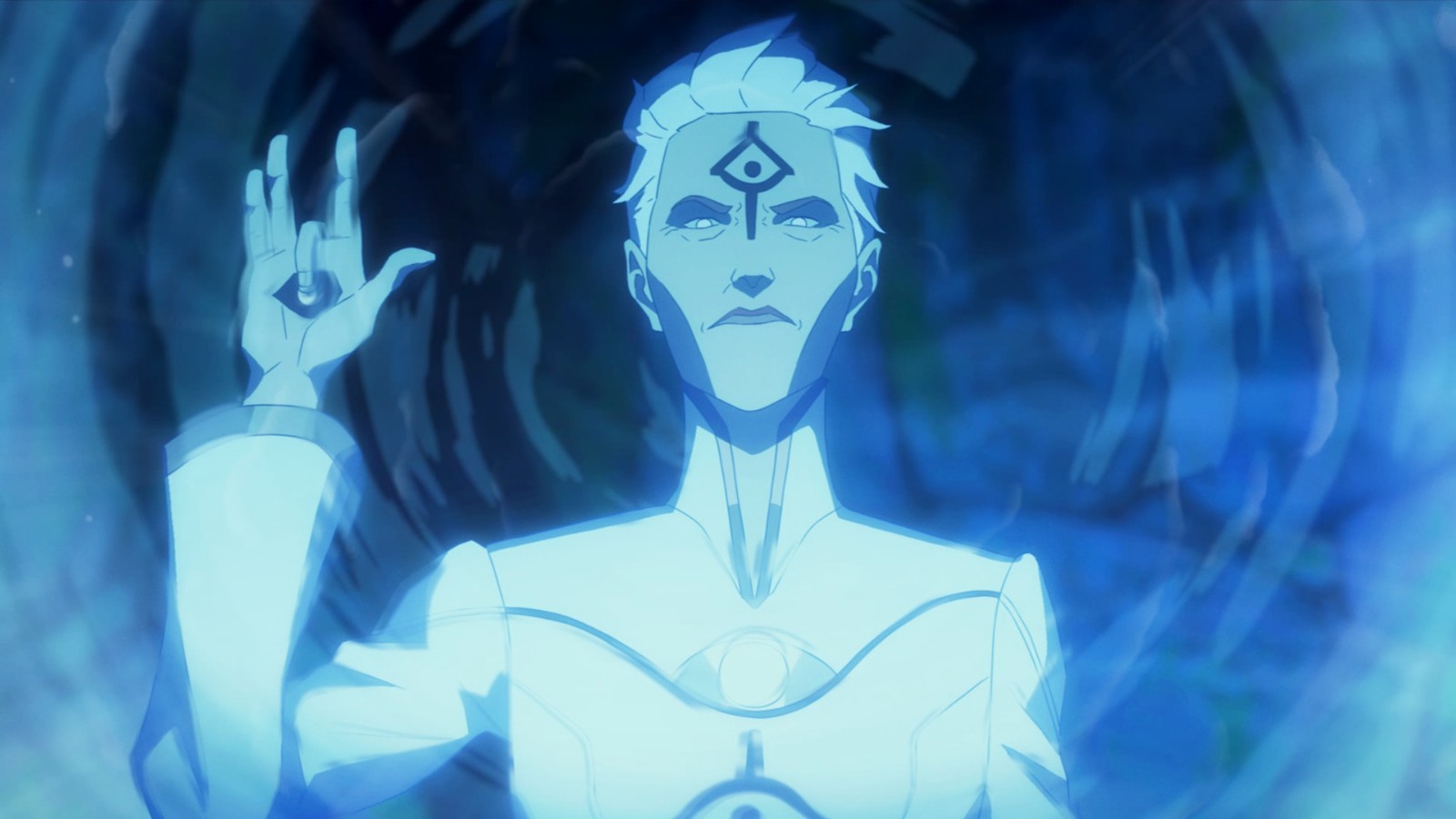
I’m a huge fan of the Doctor, so I was super hyped when I heard Robert Picardo was coming back to reprise the role, but to be honest… he didn’t really need to be there. The Doctor is clearly just there for the sake of nostalgia bait, and in nearly all of his scenes he could be replaced with any other random Starfleet officer without changing the plot in any meaningful way. There are only a handful of exceptions, such as a lovely but all too brief scene in which he bonds with Zero over their shared experiences as beings of pure energy.
 By comparison, I was never that big a fan of Janeway or Chakotay, but because they’ve been woven into Prodigy’s story from the start, their presence feels earned and natural, and I ended up loving all the stories with them this season. That’s an example of nostalgia bait done the right way.
But my biggest complaint is definitely the extent to which throwbacks to the past left so little room for new stories to flourish. Given how much of the season revolves around Solum, the homeworld of the Vau N’Akat, I was super excited to learn to more about their history and culture… and we got almost none of that.
Instead it felt like fully a quarter of the season was devoted to bringing back an old face from the past that I don’t think many fans even wanted to see again. It bothers me that two seasons in we know almost nothing about Gwyn’s people and even less about Rok’s people, but they found time to devote multiple episodes to one of the franchise’s least popular characters.
I know the (star)ship sailed on this before the first season even finished, and it may not be the most popular opinion, but I think having the crew join up with the Federation so early in the series was a mistake. I loved the angle of a crew who isn’t under the direct guidance of Starfleet but is trying to live by their principles anyway because they see it’s a better way to live. It was such a great way of taking the franchise in a new direction while staying true to its roots, and I wish that had continued for longer.
 There’s also a lot of plot holes and sloppy writing this season, both on an individual episode level and a big picture level. Bluntly, the meta plot for this season makes no sense at all. Time travel can always be a bit messy, and it’s never had a totally consistent portrayal in Star Trek, but this season manages to contradict all we’ve seen before while failing to adhere to even the most basic kind of logic.
That said, I do find this a lot more forgivable from Prodigy than it might otherwise be, thanks to the generally light-hearted tone of the show. I’ve said in the past that the problem with modern Trek is not so much that it’s super dumb, but that it doesn’t know it’s super dumb. The most ridiculous, nonsensical plots are treated with such breathless gravitas.
Prodigy doesn’t fall into that trap. It’s not pretending to be anything more than it is: a goofy pulp adventure story. So while I’d prefer something closer to the cerebral Trek of yesteryear, Prodigy failing to live up to that is merely a hiccup, not a fatal flaw.
And there are plenty of other things to like about this season. The core cast remains a delight. I love how Rok-Tahk is the living embodiment of Star Trek’s wholesomeness, and I love how Zero exemplifies the wisdom of, “Beware the just anger of a gentle heart.” There’s also a great new addition to the cast in the form of the Vulcan cadet Maj’el, and I enjoyed seeing her grow into part of the team.
 Most importantly, Prodigy remains a show built on the optimism and sense of wonder at the heart of Star Trek. It is not burdened by the depressing cynicism that has defined all other modern incarnations of the franchise. Whatever other flaws it may have, this is the kind of Star Trek I loved growing up.
My favourite episode this season involved the crew setting literal sail across an alien cloud sea. It was whimsical, exciting, and just plain fun — joyful sci-fi adventure at its very best. That’s the spirit of exploration that Trek is all too often missing, especially these days, but Prodigy hasn’t forgotten what it means to boldly go.
Ultimately my complaint is not that the second season wasn’t good, but simply that it missed a lot of opportunities to be better.


 Superior Realities