
Thanks to the recent Steam sale, I’ve blitzed through quite a few games recently. I’ll just go through them all real quick… or as quick as someone as long-winded as me is gonna get, anyway.
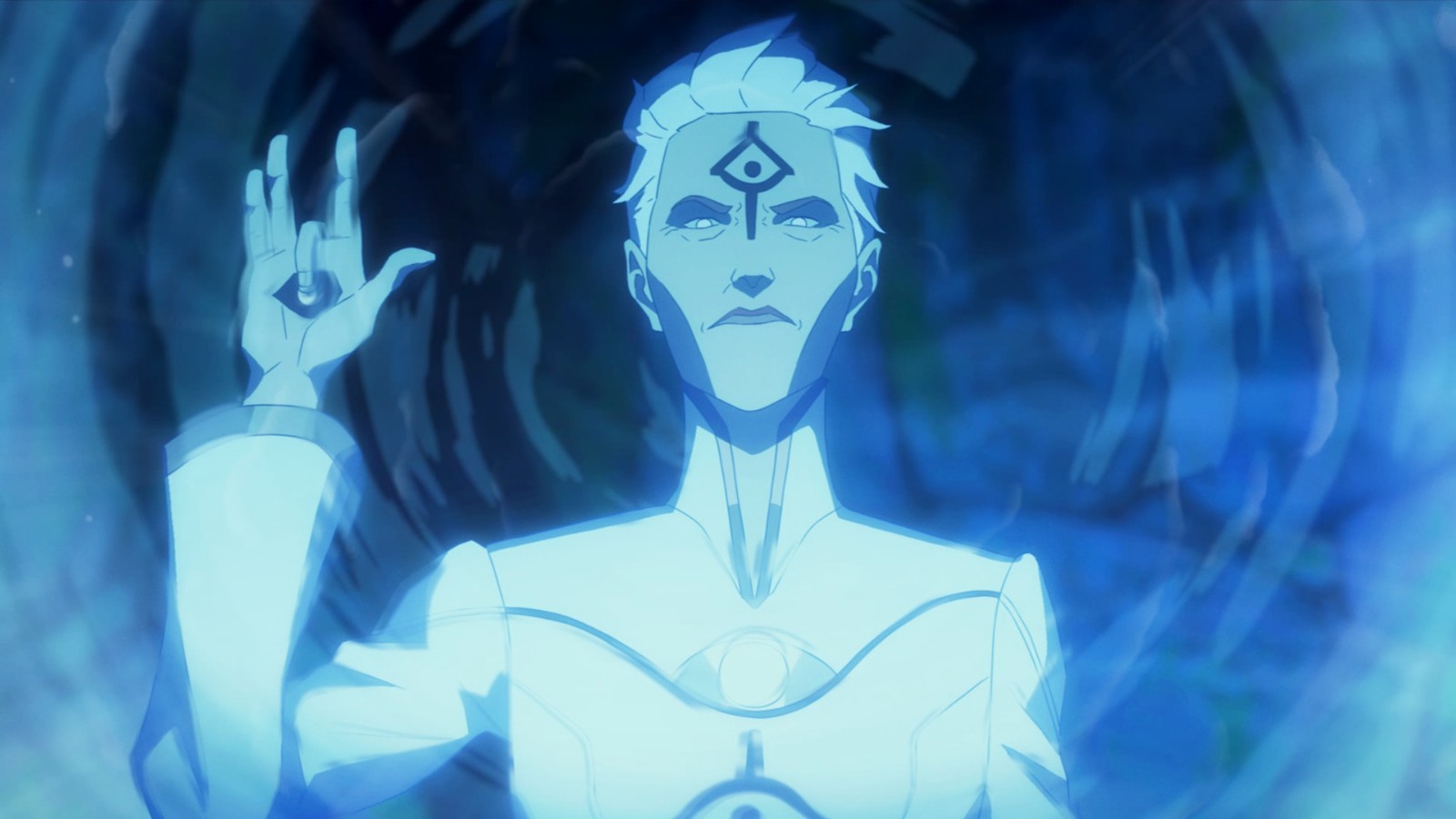 Harmony: The Fall of Reverie
This one was not actually a sale purchase but a birthday gift from a friend. As a Dontnod fanboy, it’s been on my wishlist pretty much from the moment I heard about it.
In practice, it was an odd, inconsistent game. Fall of Reverie’s events take place across two realms: A near future version of our world, and Reverie, the world of dreams, where dwell humanity’s personified Aspirations.
The story in the human world never really came together for me. All of the characters are too faultlessly nice to be believable… except one, but there was never an opportunity to truly take them to task for how awful they were. It felt just a bit too saccharine.
On the other hand, I did really enjoy all the stuff with the Aspirations. The game pushes you to choose one Aspiration to champion, and I think they did a really good job of making them all seem like valid choices with pros and cons, with none of them being obviously good or bad choices. A lot of narrative games try for stuff like this, but rarely is it executed so well — there usually seems to be at least one or two no-brainer choices.
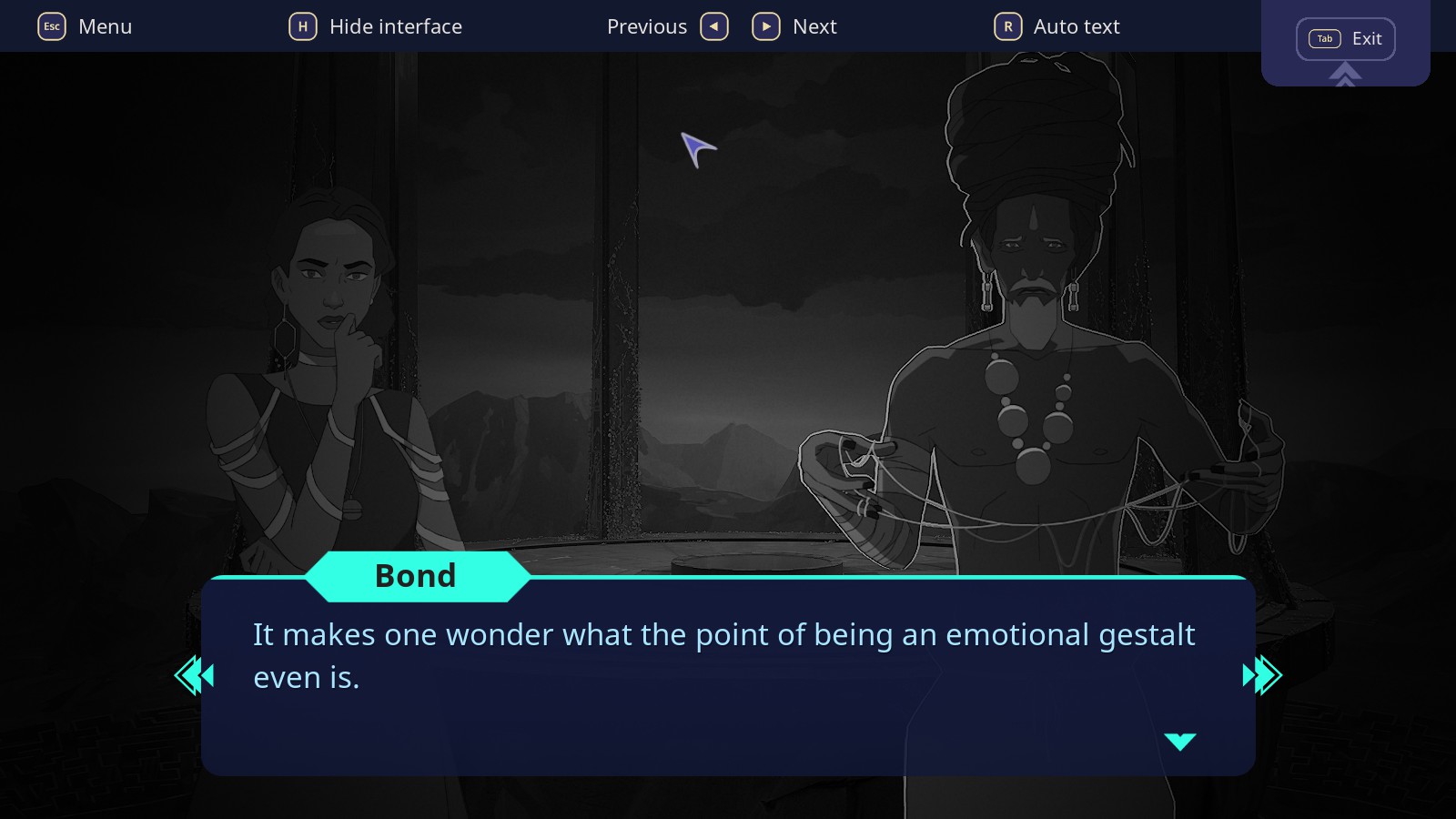 I chose Truth to champion, with Bond and Power roughly tied for second place. I wasn’t expecting to like Power at all, but his direct, uncompromising approach to morality proved very appealing. I’m not sure if I’ll replay the game, but if I do, I will almost certainly side with Power.
The game’s other gimmick — the limited ability to see the consequences of your actions before you take them — was interesting to do once, but I don’t see it as the future of narrative games or anything. I also found that the way the consequences of my choices came together made for a very disjointed final chapter, but I think that was just bad luck.
So it was definitely a flawed game, but I think it was a unique and interesting enough experience to be worthwhile.
Oxenfree II: Lost Signals
I had no idea Oxenfree was even getting a sequel, but then I just stumbled across it on Steam’s front page one day. I loved the original, so it was an instant buy.
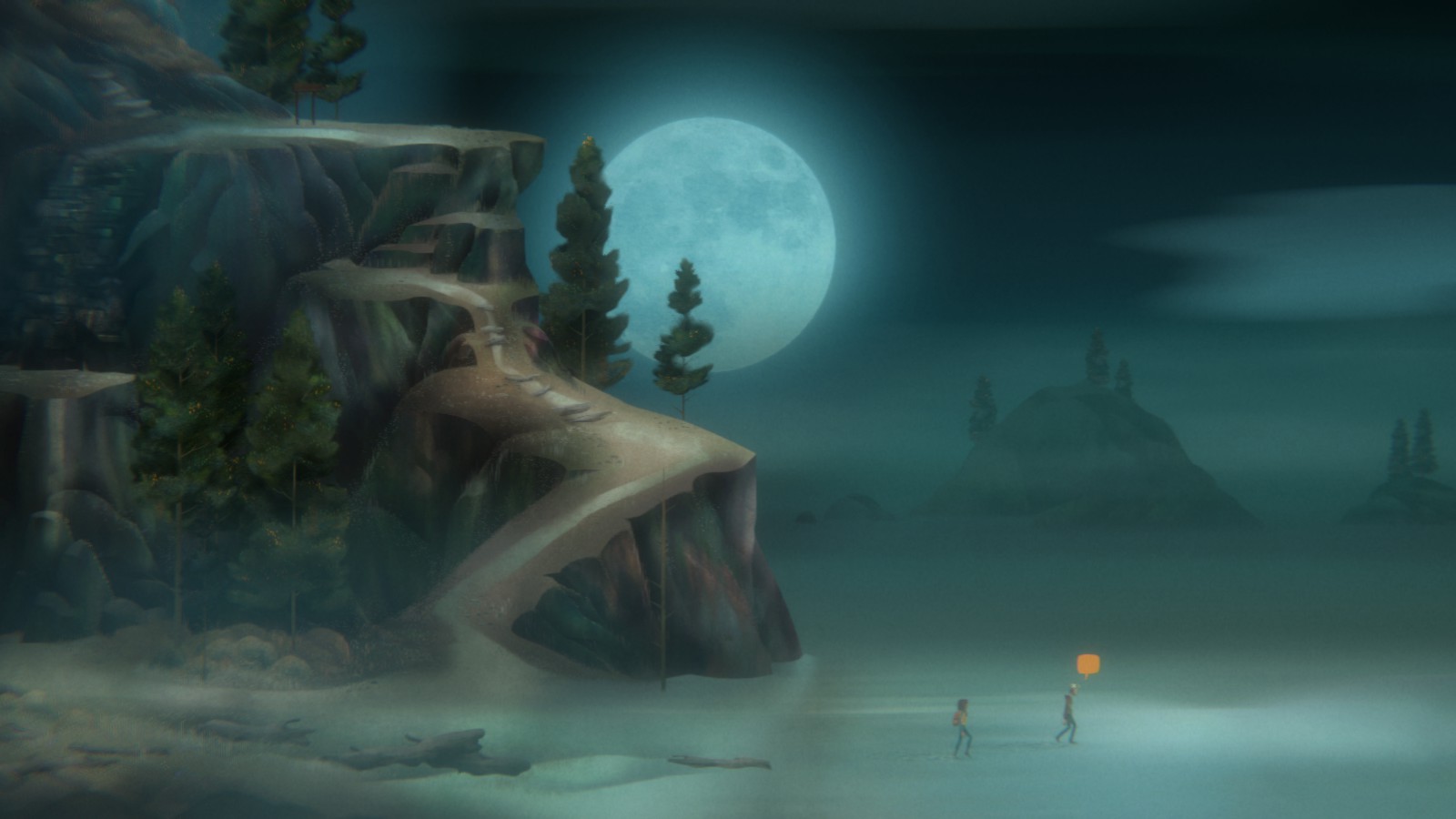 That said, I can’t say I ever felt Oxenfree was a game that needed a sequel, and at times Lost Signals did feel a bit unnecessary. The first half of the game felt like it was just rehashing the first without bringing anything new to the table.
Things got a lot better in the latter half of the game, though, and it did do a much better job of providing a conclusive ending to the story than the half-hearted new game plus mode for the original did.
So I don’t think Oxenfree II was nearly as good as the original, but it still felt worth it in the end. Mostly the problem is the first one was such a classic that you can’t really make lightning strike twice.
Star Trek Prodigy: Supernova
Among the news of Star Trek: Prodigy’s shocking and unjust cancellation, I was reminded there is a video game spin-off, Supernova.
 I really want to like this game. It’s got the full original voice cast of Prodigy, so as far as the story goes it’s basically just an extra couple episodes of Prodigy, which I’m all for.
But I have to be honest that I’m really struggling to get through the gameplay. It’s not horrible or anything, but it’s clearly designed for young children, so it’s very basic and very shallow.
I’m thinking I might just watch the rest of the game on YouTube.
Blacktail
Of the games I’ve played recently, this was probably my favourite. Blacktail is an open world game loosely inspired by the myth of the witch Baba Yaga. It’s got a dark fairytale vibe that is both twisted and whimsical.
It’s still got a few rough edges — it could have really used a more traditional fast travel system, and the ending is mildly confusing — but overall it was a good time. The story is pretty engaging, it’s paced well for an open world game, the voice acting is stellar, and the music is lovely.
 It’s also one of the few games I’ve seen that does side quests well. There aren’t that many of them, and most are lengthy, compelling stories in their own right. They’re not just checklists of chores used to pad out the runtime of the game.
This is one I wouldn’t mind seeing a sequel to.


 Superior Realities