
I meant to write this several weeks ago when I actually finished playing Don’t Nod’s latest, Banishers: Ghosts of New Eden, but I’ve had a dearth of spoons to spare. Still, I didn’t want to go without covering the game at all.
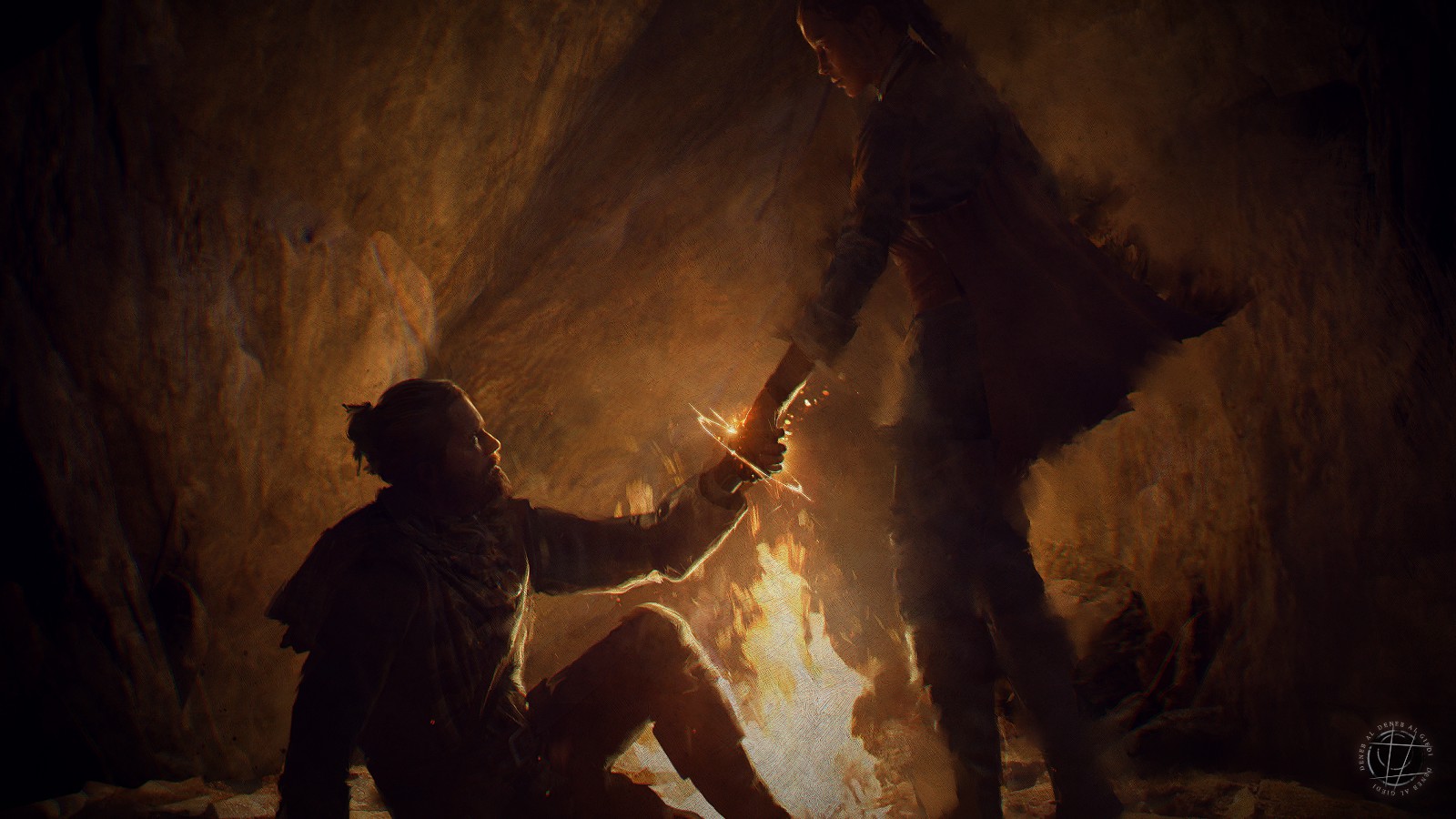 This is a game I’ve been hotly anticipating for a long time. I’ll say upfront: Ghosts of New Eden is a solid game that I definitely recommend, but it isn’t quite the masterpiece I’d hoped it would be.
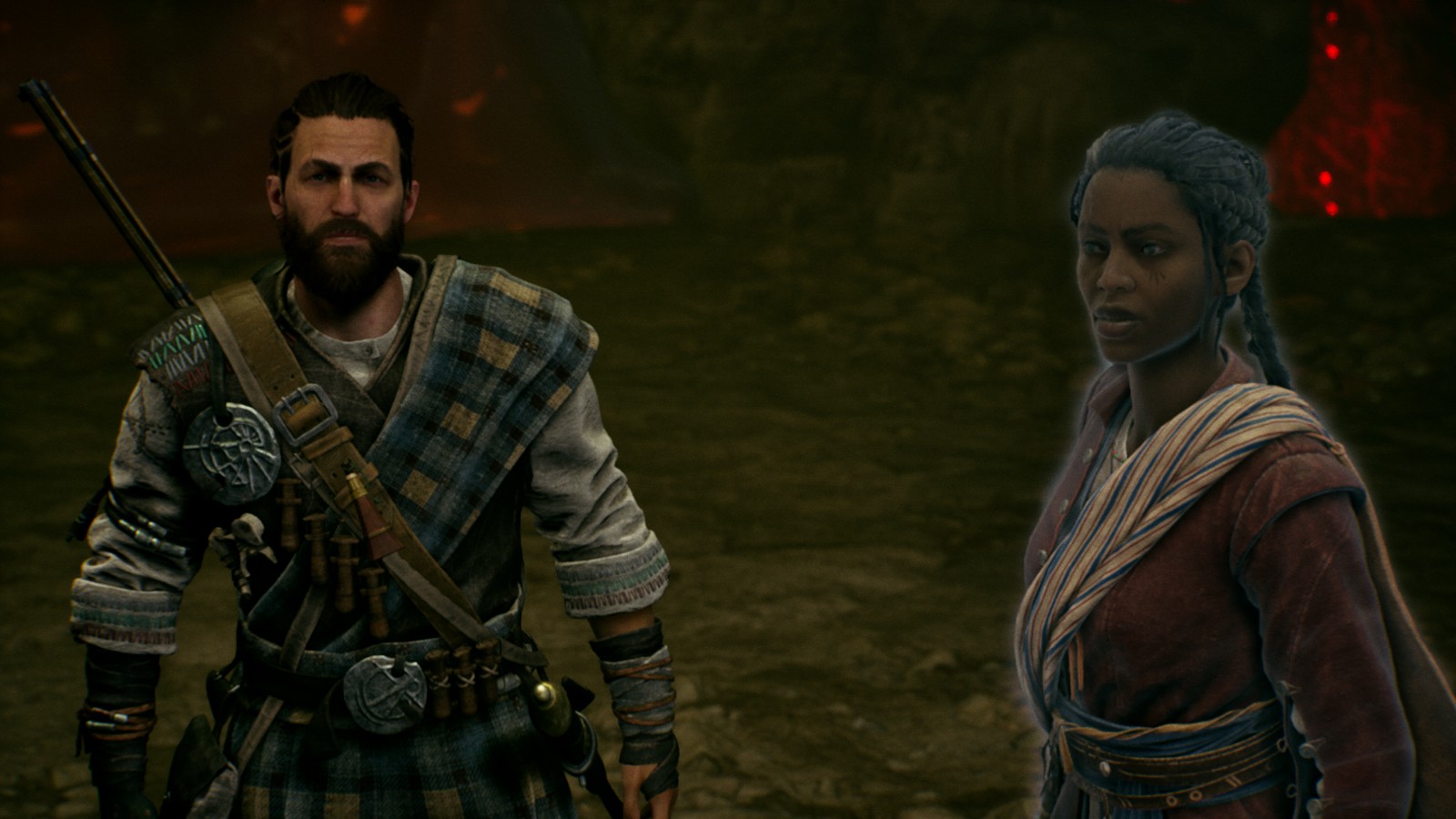
Ghosts of New Eden is the tale of Red Mac Raith and Antea Duarte, a pair of 18th century ghost hunters who are also lovers. While investigating a particularly terrible haunting in New England, Antea is killed and becomes a ghost herself. The two must then grapple with the question of whether to fulfill their oath and grant Antea her final death, or use dark magic to try to restore her to life, all while continuing to contend with the powerful spirit who killed her.
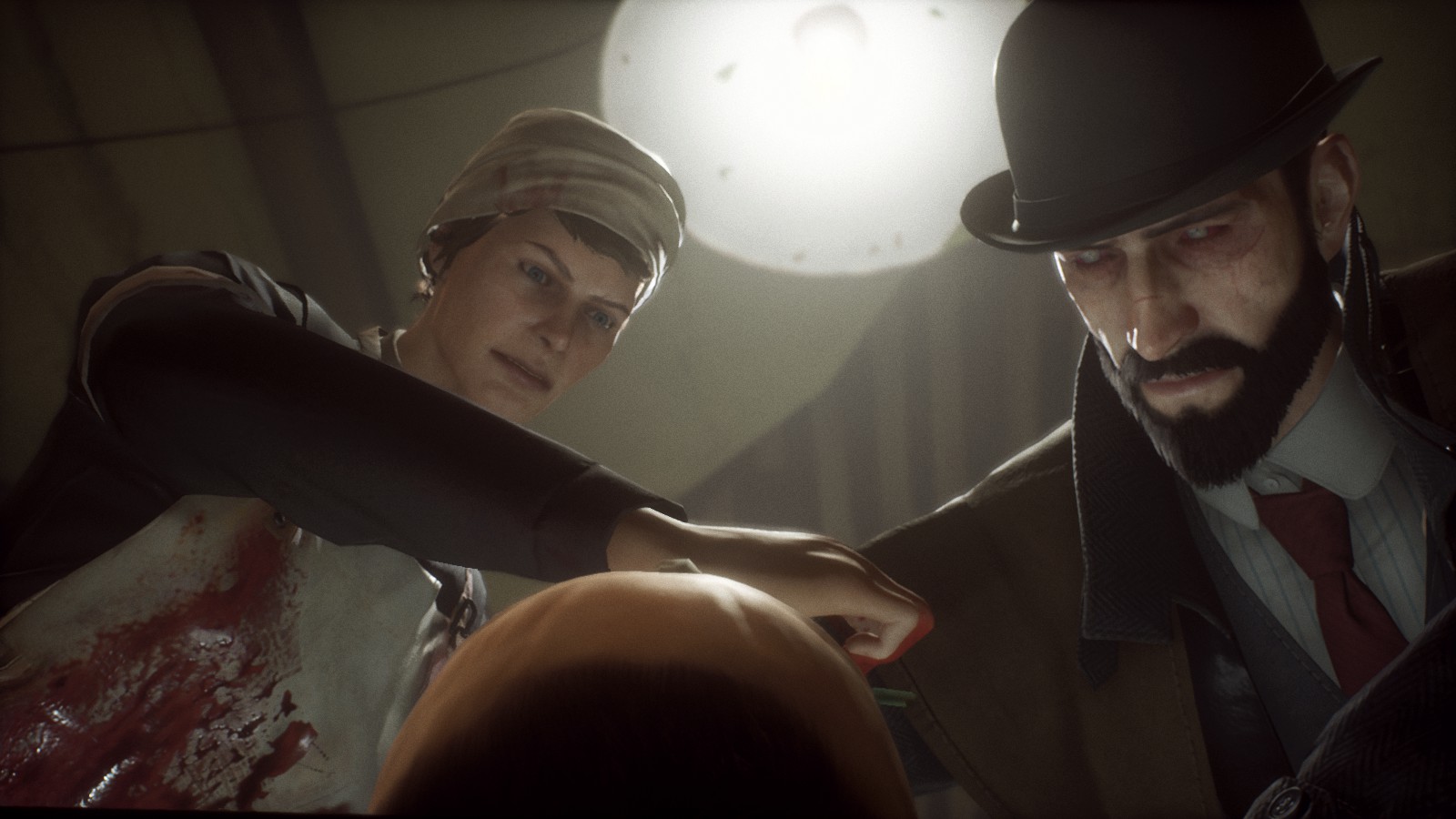
Fantastic premise. In practice it feels very much like Don’t Nod’s earlier game, Vampyr, with the player given the choice to sacrifice people to Antea or spare their lives during a series of “haunting case” side quests. Indeed, this feels like it is essentially Vampyr 2 — there’s even an Easter egg that confirms Ghosts of New Eden is set within the same universe as Vampyr.
I enjoyed that kind of moral decision-making in Vampyr, and it’s executed even better here. Almost none of the cases offer clear black and white answers; each is a gripping self-contained narrative, and the game is worth it for the haunting cases alone. It’s genuinely one of the best examples of “choices matter” game design I’ve ever seen.
 Unraveling the mystery behind the ghost at the heart of New Eden’s curse is also highly compelling. The Nightmare is one of the most memorable antagonists I’ve seen in a video game recently.
Surprisingly, though, I did find Red and Antea’s story a little less compelling. Not to say it was boring or anything, but it didn’t tug at my heartstrings as much as I thought it would. A lot of this boils down to the fact that Antea isn’t actually a very likable character. She’s not a bad person or anything, but she’s frequently abrasive and often hypocritical. This is realistic; nobody’s perfect, and she does feel very three dimensional as a character. It’s good writing. But it didn’t leave me desperate to save her the way I was with Chloe in Life Is Strange.
Red is an absolute sweetheart, though. My efforts to save Antea were mainly for his sake.
I do also enjoy the simple fact that this is a story about an established, mostly healthy couple. That’s so incredibly rare in media, and it’s something I’ve long been hungry for.
This is also another case where I got the “bad” ending, but didn’t really mind. It was a bad ending for the characters, but a good ending for me as the player, answering many questions.
 So the story isn’t quite the emotional tour de force I was expecting, but it’s still very good, and easily justifies the game’s price tag. My true complaints lie more with the gameplay.
At this point I expect the gameplay of a Don’t Nod action game to be a bit janky or underwhelming, but Ghosts of New Eden has what I would say is the worst combat of any Don’t Nod game to date.
It’s not even that it’s actively unpleasant or anything. It’s just… kind of boring. Nothing about it stands out. I like the idea of being able to swap between Red and Antea to combine physical and ghostly powers, but they didn’t give either character a clear role or mechanical identity. You can kind of give them those things with the build system (which is surprisingly deep for this kind of quasi-RPG), but it still never really came together for me.
So the combat isn’t terrible, but it isn’t that fun, either, and gods, there’s so much of it. You can’t walk ten feet without fighting something. And there’s very, very little variety of enemy types, so it starts to feel incredibly repetitive after a while.
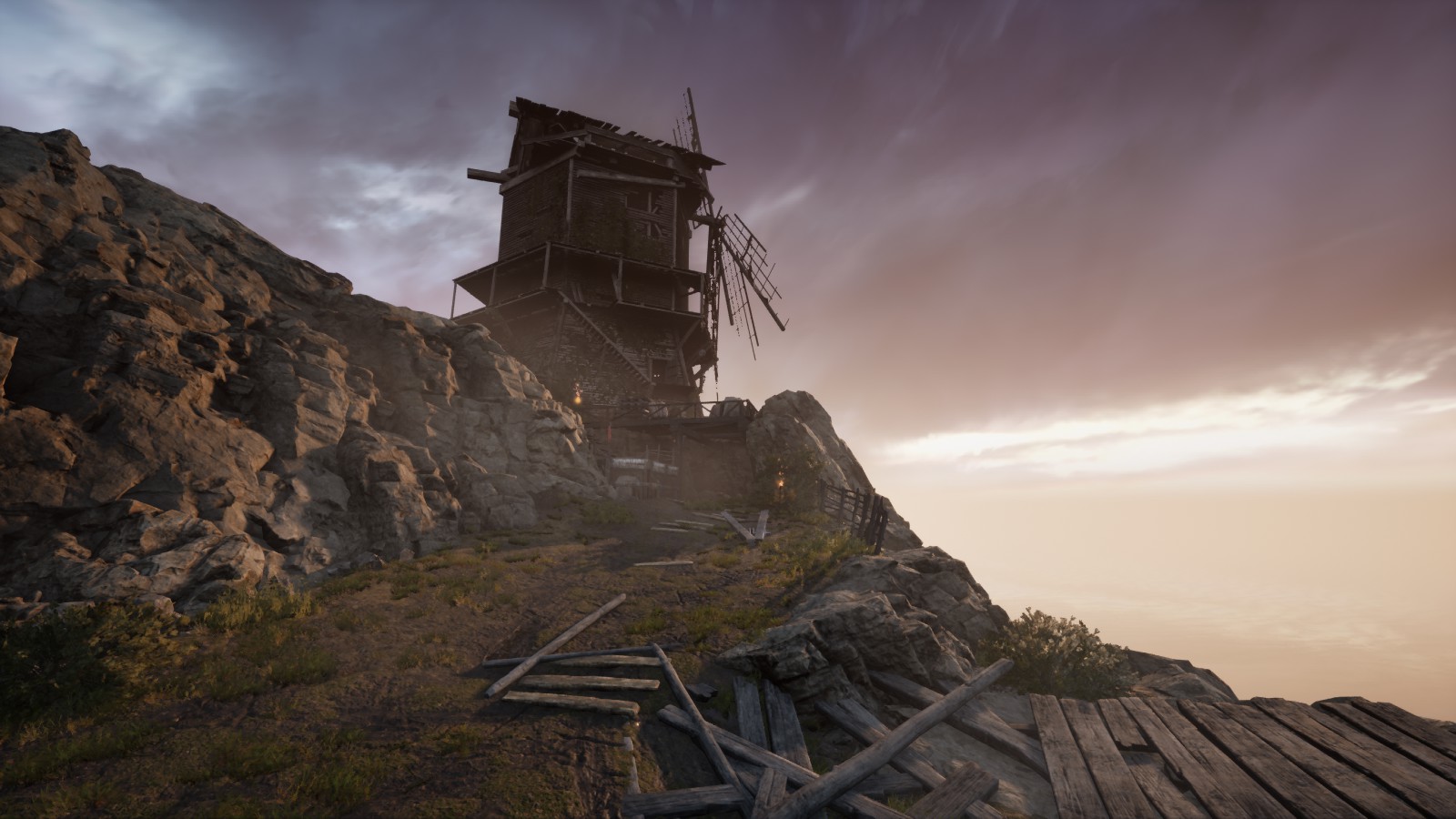 The fast travel system is also a problem. It’s one of those ones where you can only teleport from one fast travel point to another, and there aren’t very many of them. This is a game that involves a great deal of backtracking and revisiting old areas, which I actually like in theory (makes the world feel more cohesive), but it really shines an unwelcome light on the limitations of the fast travel system. And with so much hoofing it through the wilderness, you’ll need to be subjected to a lot more of that endless, repetitive combat.
There’s also an absurd amount of collectibles and non-story side activities, all of which add basically nothing to the game since most of the rewards are crafting materials that you will soon have far more of than you could ever possibly need. At least you can skip those with minimal consequence.
It’s not a great video game, but it is a great story, and the strength of the writing is sufficient to make it worth wading through all those wolves and ghosts.
Overall rating: 8/10


 Superior Realities