
There is an argument I have often seen bandied about that Lord of the Rings is a “low magic” setting. It probably comes up elsewhere, but I often see it brought up in regards to Lord of the Rings Online. In particular it is at the centre of the unending controversy over the game’s rune-keeper class, which is essentially a mage.
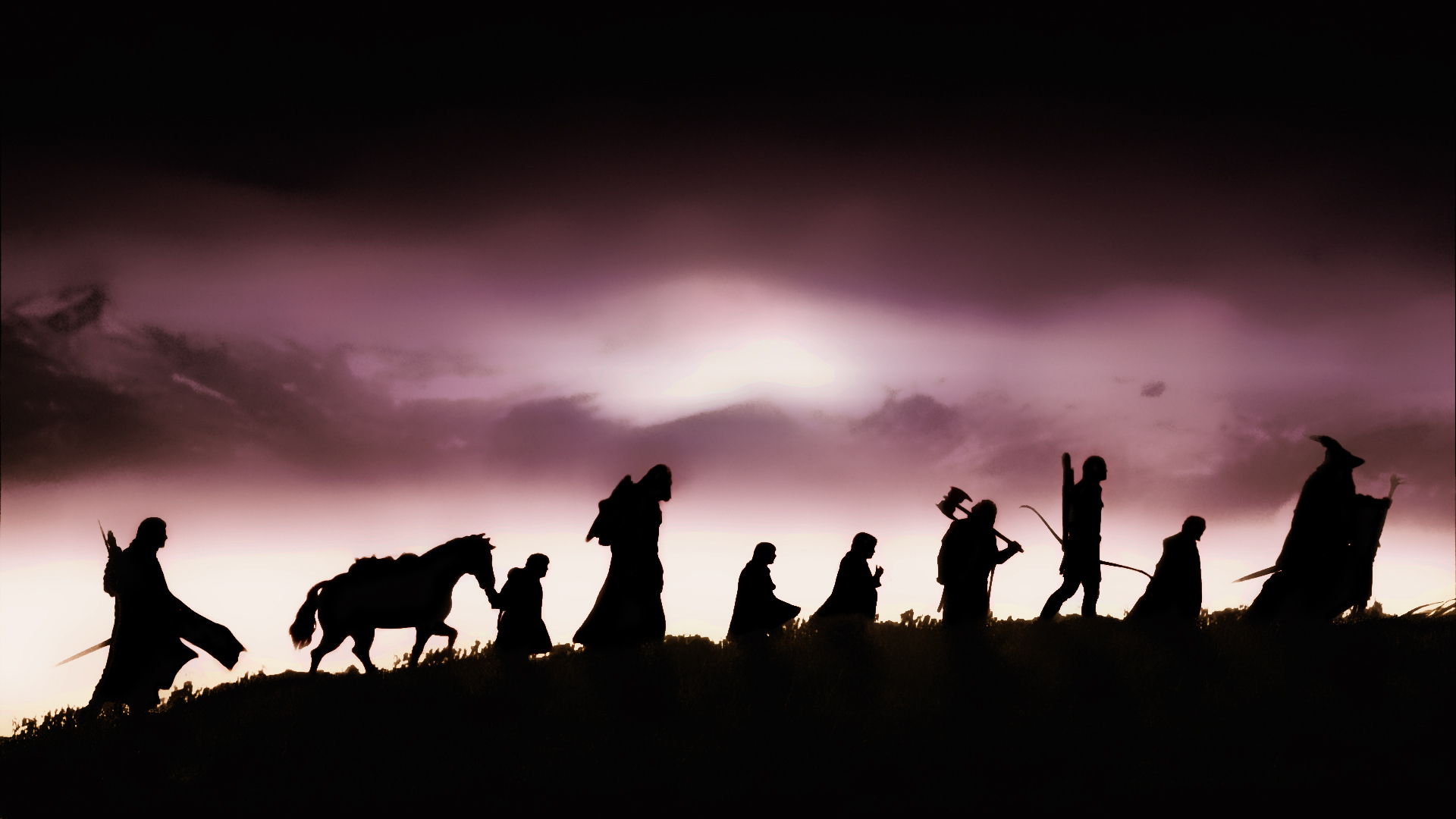 I am a lifelong Lord of the Rings fan who has read the books and watched the movies more times than I can count, and I am completely baffled by this belief in a non-magical Lord of the Rings.
Lord of the Rings isn’t low magic. Lord of the Rings is dripping in magic.
Magic is everywhere in Middle-Earth. Before the Hobbits even make it to Bree in the Fellowship of the Ring, they encounter evil psychic trees, are saved by an immortal nature spirit, spend the night in his enchanted home, get bewitched by evil ghosts, and steal a bunch of magic blades from them. And all that is just a tangent the movies didn’t even bother to cover.
Also in the Fellowship of the Ring, there’s a scene where Gandalf basically blows up a small hill just to chase off some wolves. Saruman calls forth incredible storms to drive the Fellowship back from Caradhras. Glorfindel (or Arwen in the movie) is able to drive off the Nazgul by unleashing the inherent power of Rivendell.
The Mirror of Galadriel. The Light of Earendil. Sting. Ent-draughts. It just keeps going. The Elves were so suffused with magic that the mere touch of anything wrought by their hands caused Gollum excruciating pain. And did you think that the Lorien cloaks kept their wearers so well hidden just through clever stitching? That a few bites of lembas a day can sustain a person for weeks simply because the Elves are good bakers?
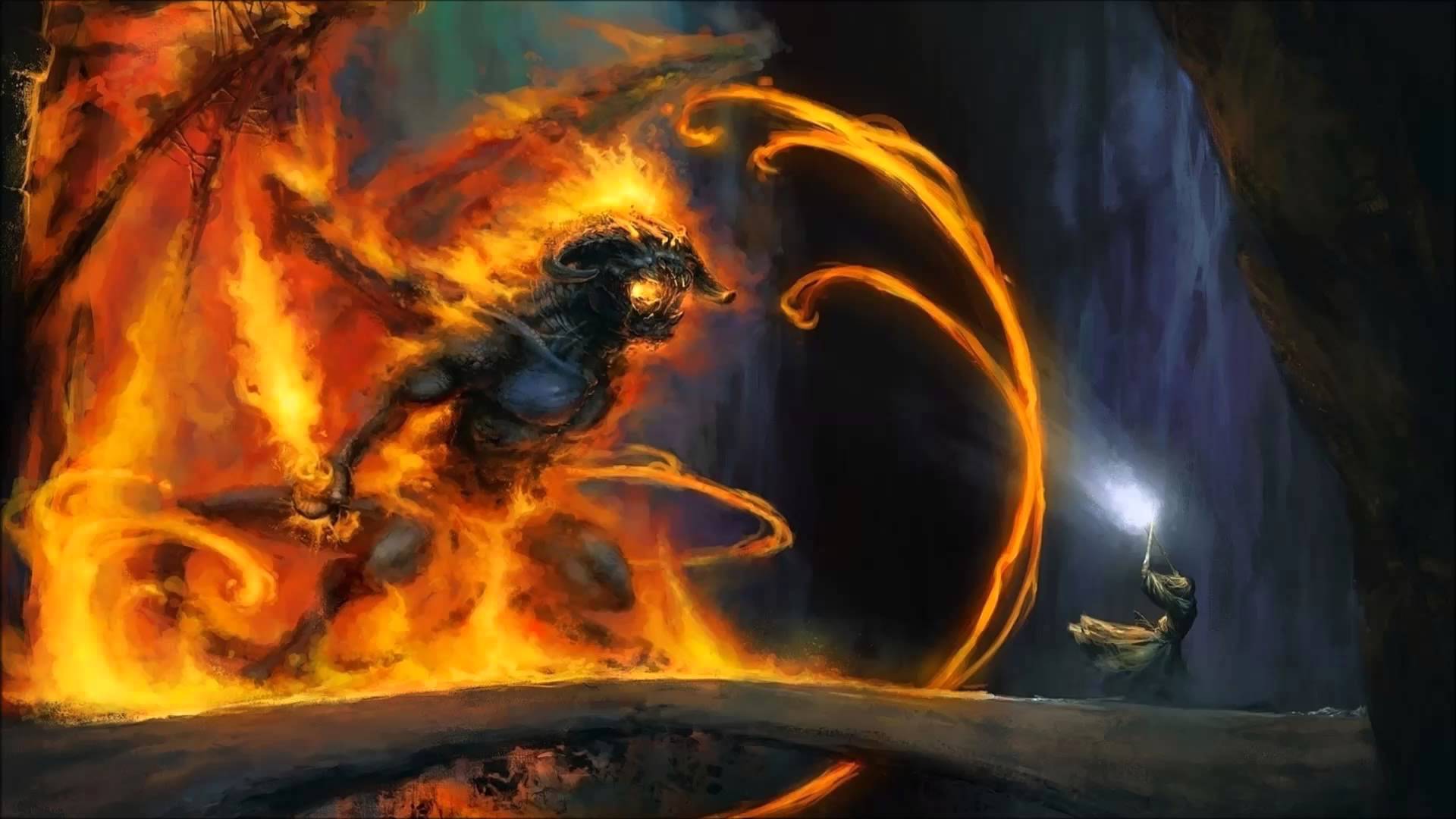 The counter to all this might be that these examples all involve very special people. Gandalf, Saruman, and the Elves are immortals with abilities far beyond that of mere humans. Magic is out of reach of the ordinary person in Middle-Earth.
Is it, though?
Aragorn is mortal, yet his mastery of healing quite clearly comes from more than a simple knowledge of herbs and medicine. The Oathbreakers were cursed to undeath by Isildur, then commanded and subsequently released by Aragorn. Most tellingly, the Mouth of Sauron, a mortal man, is said to have learned great sorcery from the Dark Lord himself. This shows magic can be taught in Lord of the Rings.
Now these are Numenoreans and therefore still a bit beyond your garden variety human. But there are other examples.
Even Samwise Gamgee, a simple Hobbit gardener, is able to make hardened Orcs flinch before him simply by shouting a few Elvish phrases. He’s able to regrow the trees of the Shire using naught but a small pouch of soil from Lorien.
Even the humblest resident of Middle-Earth is therefore capable of wielding some degree of supernatural power, and one can imagine someone with more time and inclination to study ancient lore and seek out objects of power could accomplish quite a lot. Perhaps they might not equal Gandalf in power, but still…
 Consider, also, that for a time Sauron masqueraded as “the Necromancer of Mirkwood.” Necromancers had to be a relatively common thing for him to not be immediately identified as his true self.
Although we don’t see a lot of mortal magic-wielders in Lord of the Rings, it is my opinion that they certainly could have existed, and probably did in some number. To get back to LotRO, then, I see nothing wrong with the rune-keeper.
Magic is everywhere in Lord of the Rings, so where did this perception that’s it’s a low magic setting come from?
I don’t know. Fanon is a strange thing at the best of times, and this is definitely one of the weirder examples I’ve seen in my time, all the more so for how widespread the misconception has become.
The one explanation I can come up with is perhaps it has to do with the fact magic in Lord of the Rings tends to be less visually flashy than you see in other settings. Magic in Tolkien’s universe tends to be more often about influencing minds and emotions than about flinging fireballs and lightning bolts. The magic is very common and very powerful, but it is subtle, so maybe that’s how people have come to dismiss it.
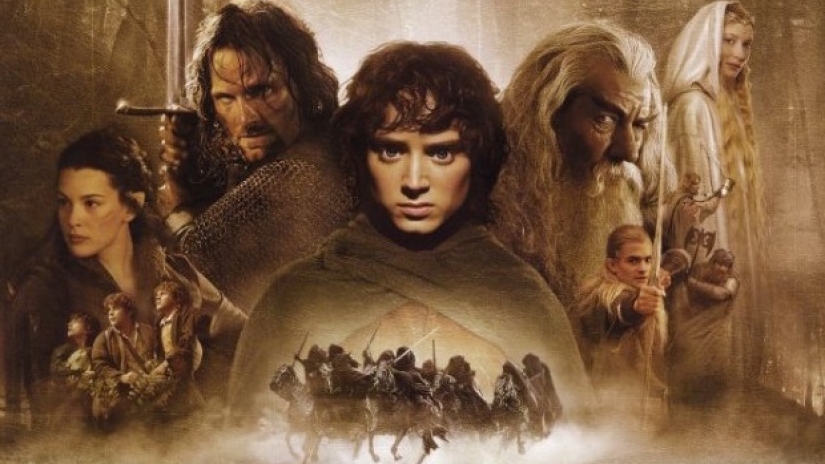 I can especially see this being the case for people who are more familiar with the movies than the books. The medium of film cannot easily convey things like how the heart is seized with unnatural terror in the presence of the Nazgul, or the serenity that can be bestowed by the Elves and their works.
Even then, though, there are still plenty of more dramatic examples of magic in Lord of the Rings, so it still doesn’t make much sense.
It is a great mystery. How have people convinced themselves the story that created the high fantasy genre is not high fantasy?

 Superior Realities