
For me, this is a movie twenty years in the making. I was five years old when I started playing Warcraft games. I’m nearly twenty-six now. “Highly anticipated” doesn’t quite describe it.
 Still, it’s here. It’s actually really happening. Let’s see if I can put my thoughts into something resembling a coherent order.
Right away, everything about this movie just oozes the very essence of Warcraft. The moment the lights go down and the music swells, it’s like stepping into Orgrimmar. This is Warcraft.
And that’s true throughout the whole film. Everything about the look and feel and sound of it is quintessentially Warcraft.
To begin with, the movie follows the events of the First War pretty well. Having destroyed Draenor, the Orcs must find a new world. Gul’dan opens the Dark Portal so that they may claim Azeroth as their own. The humans in their way are but fodder for the fel.
But it doesn’t take long for things to start diverging from the original lore, in ways both big and small. For the most part I didn’t find the changes too egregious. In fact, there’s one change near the end I liked quite a lot. It may actually make for a better story than the original.
Some other things do disappoint me, though. Warcraft the film is not nearly dark enough. The story of the First War is an epic tragedy, and while the movie makes some admirable nods to that, it’s ultimately still closer to a standard action movie than the grim tone of the First War.
 I also have to agree with the common criticism that the movie is rushed. I’ve heard nearly an hour was cut from the film, and it definitely shows. Things skip ahead far too quickly at times, and some big changes happen without sufficient explanation or foreshadowing.
But don’t think it’s all bad news. Far from it.
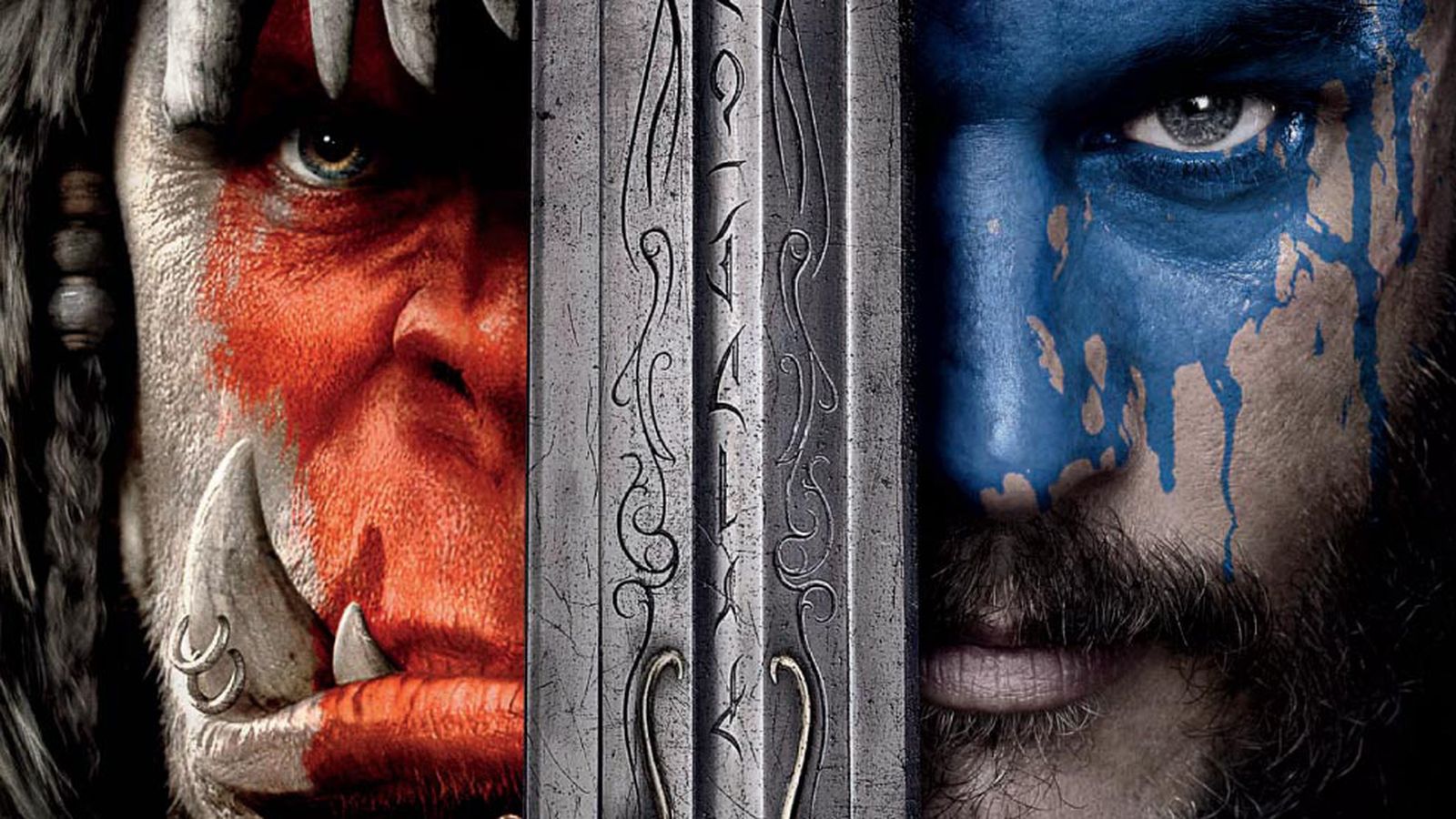
By far the highlight of this movie is the Orcs. They are executed perfectly, from their visuals to their culture. I’m very glad that Duncan Jones chose to show that the Orcs are not simpler monsters, that they are unlike humans but still a multi-faceted people. The film puts a special emphasis on showing their keen sense of honour, and how it defines who they are.
Durotan and Draka are well-done, but while they get the most attention, they’re not actually the most interesting of the Orcs.
I love how the movie depicted Orgrim Doomhammer, whom I have long felt is one of the most interesting characters of Warcraft lore. The exact events in this film don’t exactly match the original story, but the spirit of the character is captured perfectly — his conflicted nature, his moral ambiguity. His darkness, and his honour.
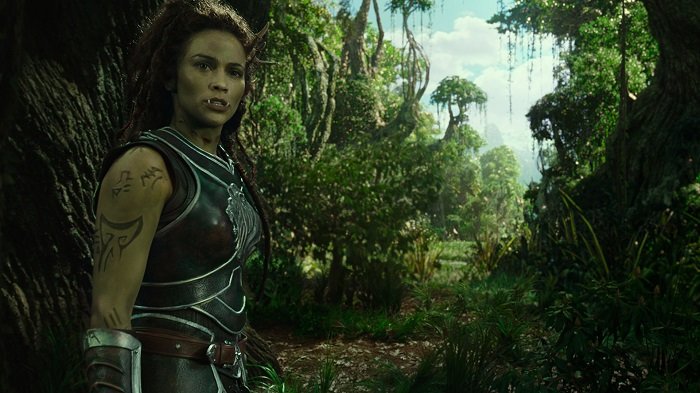
What really surprised me is how great Garona is. Going in, I was expecting her to be a weak point for the movie, but they put a very interesting spin on her character, and Paula Patton’s performance is really strong. I like original Garona, but movie Garona is much better.
And Daniel Wu’s Gul’dan is just pitch perfect. Absolutely perfect. He is a villain as terrifying as he is despicable. Darkness Incarnate indeed.
 The human cast members are a bit more inconsistent.
I liked Khadgar. He feels recognizable as the character I know, and his portrayal in the movie is very endearing.
Medivh and Llane’s depictions are adequate, but not spectacular. I rather liked the grace and poise of Queen Taria, who is to the best of my knowledge a new character created for the film, but she didn’t get enough screen time.
I’m torn on Travis Fimmel’s Lothar. He’s a very good actor, and the character he plays is very charming and exciting to watch. The standard wise-cracking action hero, but a good rendition of the old archetype.
But whoever he’s playing, it’s not Lothar. The character in the movie bears no resemblance to Sir Anduin Lothar, the Lion of Stormwind, grizzled veteran and elder statesman of the Alliance.
There are a few other things to appreciate in the Warcraft movie. The visuals are spectacular. The soundtrack is one of the best I’ve ever heard. The action is fantastically brutal and visceral. When Orgrim smashes someone with the Doomhammer, you feel it.
And there are a lot of nice Easter eggs for the fans. I particularly liked seeing Tammis Foxton at the very end. That they went to the trouble of finding an actor who strongly resembles Foxton just for that one little shot is really impressive.
So in the end, this movie is typically Warcraft: It’s flawed, but when it hits its stride, it’s glorious.
I definitely recommend this movie. Even if you’re not a Warcraft fan. Especially if you’re not a Warcraft fan — you’ll have nothing to compare it to.
Overall rating: 8/10


 Superior Realities