
I like mottos. There are certain sayings and slogans by which I try to live my life: “Better safe than sorry,” “credit where credit is due,” and so forth.
But perhaps the most important is, “When in doubt, Elves.”
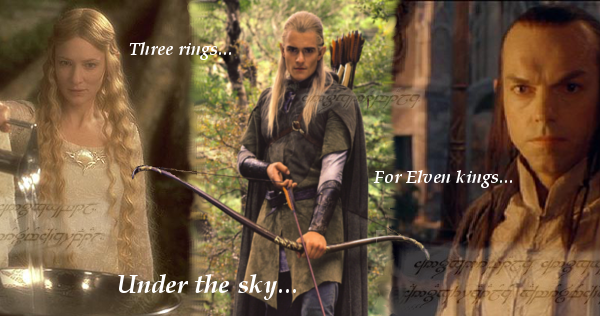 I like Elves. They are perhaps my favourite part of the fantasy genre, and that’s saying a lot. It occurs to me I haven’t spent much time talking about how awesome Elves are on this blog, and that’s an injustice that needs to be corrected.
Why do I like Elves?
Like so many things in my life, my love of Elves goes back to Warcraft. I was about six or seven years old when Warcraft II: Tides of Darkness came out. This was early enough in my life and the history of the real time strategy genre that ranged units were enough to impress me.
The ranged unit for the Alliance was the Elven archer. While the other units were getting themselves killed in melee, the Elves were hanging back and sniping their enemies down from afar. It didn’t take me long to figure out the Elves had the right idea.
Couple that with their snazzy capes, calm and confident voice-overs, and epic hair, and you had a unit that was, to my childish mind, the epitome of cool.
 I’ve talked before about how my love of Warcraft’s Elves — who later became the High Elves, and then the Blood Elves — blossomed as they grew up along with me. The edgy, morally ambiguous Blood Elves were like candy to my teenaged mind.
But even before the Blood Elves earned my unending love and devotion, I was already utterly obsessed with the concept of Elves.
You see, Elves are everything I’m not. I’m clumsy and awkward, but Elves are graceful and elegant. I’m young and inexperienced, but Elves are ancient and worldly. Elves are beautiful, and I’m… yeah. Where Elves are powerful and remarkable, I’m ordinary and uninteresting.
There’s a certain catharsis to Elves, too. They understand what fools we humans can be. They see us as the petulant children we are. Elves would not ravage the environment as we do. They would not brutalize the animals of the world as we do.
The alien nature of Elves fascinates me, as well. Proper Elves don’t quite think like humans, and I’ve always loved any character or fictional race that has a different way of thinking than we do. I could probably fill a whole other post on the reasons for that…
 I recognized all these things at a young age, and Elves quickly came to dominate my life. In any video game, I always played an Elf when given the option. In the make believe games I played with my friends, I was always the Elf. I wrote stories about Elves. I coloured pictures of Elves. For a while when I was a kid, I even dreamed of getting plastic surgery to add points to my ears — though I’ve since abandoned that ambition.
To the haters:
Now, I know a lot of people out there like to hate on Elves and complain about their over-exposure. I can’t escape the feeling that most of these people are simply being hipsters and hating Elves for no other reason than because Elves are so popular, but a few people actually come up with reasons for their Elf-prejudice.
Let me explain why these reasons suck.
One of the most common arguments is that Elves are too perfect, but there are a number of flaws with this line of reasoning.
For one thing, every writer has a different take on Elves. To simply write the entire archetype off is ridiculous. I’ve seen dozens of different depictions of Elves over my life, and many were far, far from perfect.
 Which brings me to my next point: Elves usually aren’t perfect. Even putting aside Drow, Dark Elves, and the many other incarnations of Elves that are just downright evil, Elves are usually at least as flawed as any other fantasy race.
The Night Elves are brutal, closed-minded, holier-than-thou, and xenophobic. Blood Elves are arrogant, reckless racists who will do absolutely anything to survive. Tolkien’s Elves were indifferent bastards who were happy to leave Middle Earth to its fate. I could go on listing examples, but I think you get the idea.
Another complaint that comes up about Elves is that they’re too pretty. Imagine someone writing off a fantasy race — Dwarves, for instance — simply because they’re ugly, and you realize how shallow this argument is.
I’m not saying there’s no one out there who has legitimate complaints about Elves, or that there aren’t some depictions of Elves that are just bland and boring, but for the most part, I find all this hipster Elf hate just silly.
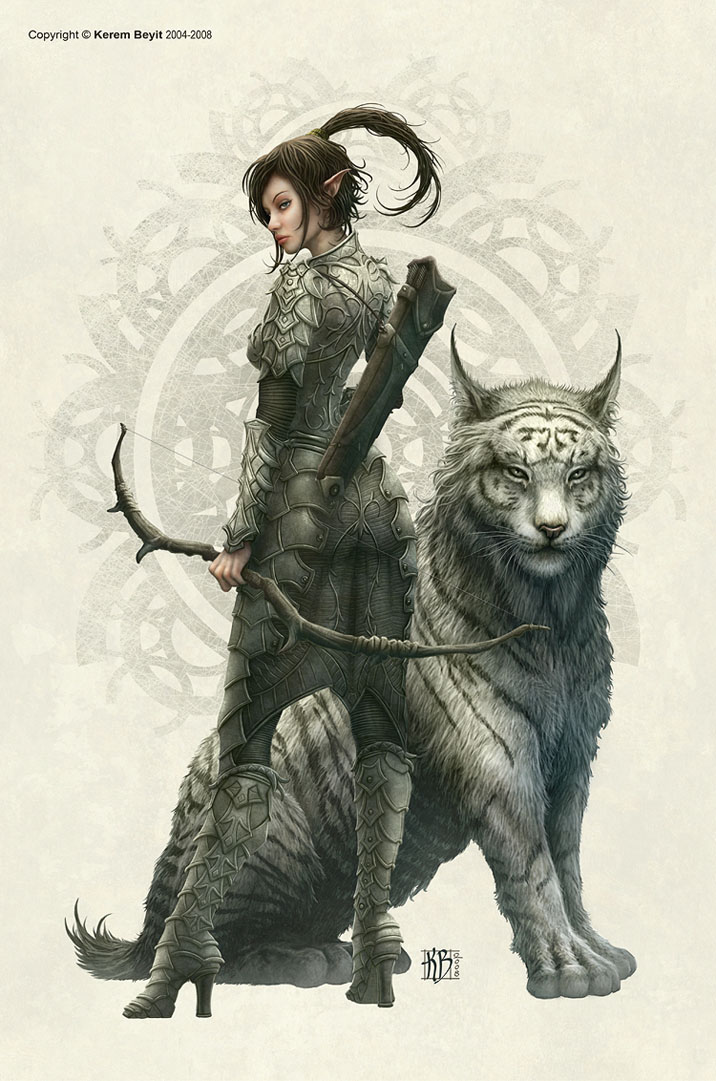 My Elves:
Oddly enough, Elves have appeared very little in my own writing, despite my love for them. There are no Elves in the World Spectrum, or in any of the other major writing projects I’ve done.
But this is not out of any desire to avoid writing about Elves, nor any lack of love for the archetype. Quite the opposite, in fact.
I have not yet done much writing about Elves because I want to get my Elves right. I have been planning my books about Elves since childhood. I’ve poured all my best ideas and all my creativity into them. I will not write them until I’m absolutely sure I can do them justice.
But they’re always in my mind. I’ve worked hard to make them the best example of the Elf archetype I can. They are radiant in their beauty and terrible in their fury. They are elegant, deadly, wise, and alien. And one day, I will bring them to life.
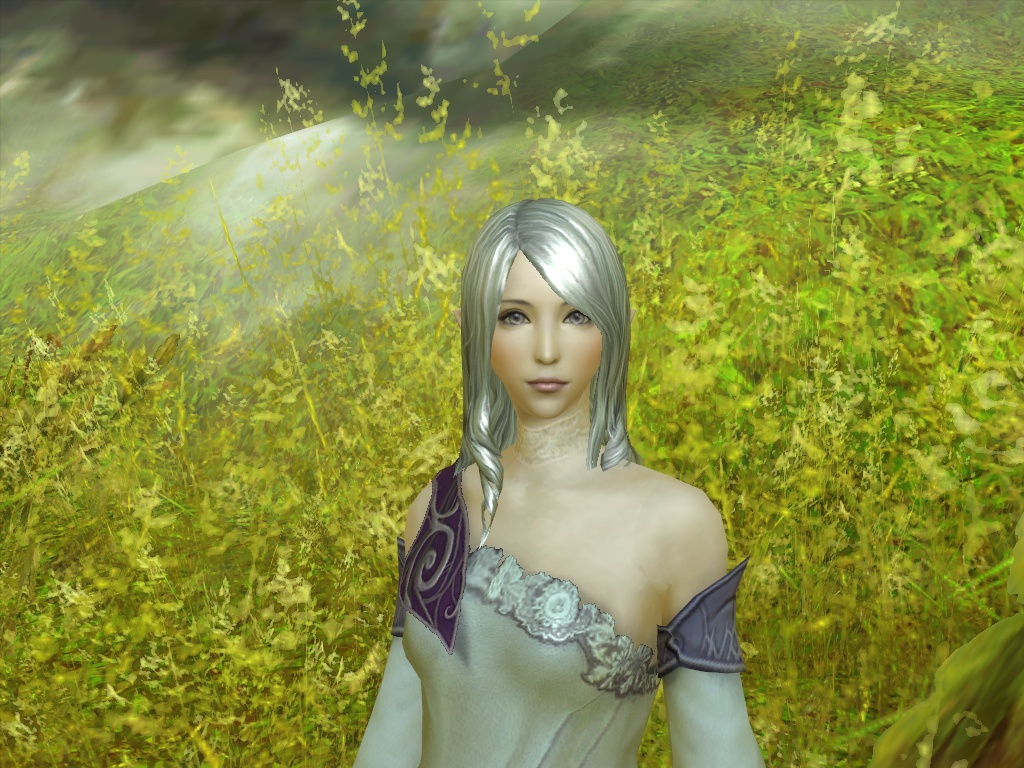 Some day, Seesha. Some day soon…



 Superior Realities