In Time:
In Time is a movie that intrigued me greatly out of the gate with its inventive premise. I then lost interest almost immediately when I learned it was starring Justin Timberlake. Sorry, but I just couldn’t see some pretty boy from N’Sync being a good enough actor to carry what I thought to be an intellectual sci-fi drama.
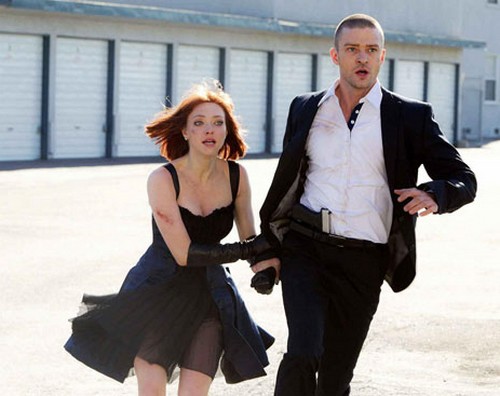 But I heard a lot of good things about it, and it remained hovering in the back of my mind, so I decided to give it a shot.
In Time has one of the best premises I’ve seen in a long time. It’s based on the idea that humans have cracked the secret of immortality, and no one ages after their twenty-fifth birthday, but eternity comes at a price: Time is now a currency traded for goods and services, and the poor are at constant risk of death from “timing out,” while only the wealthy truly enjoy eternal youth.
By necessity, the impoverished cannot be allowed a chance at advancement. If everyone was immortal, there wouldn’t be enough space or resources to sustain everyone. Thus, the system is designed to keep most people in perpetual poverty, with only enough time to make it through the next day. “For some to be immortal, many must die.”
It’s a brilliant concept that serves as a chillingly accurate metaphor for what capitalism has done to the real world. Unfortunately, In Time does everything in its power to squander the potential of that premise.
The story centers around a ghetto kid by the name of Will Salas. By sheer chance, Will happens across a wealthy man who has grown tired of immortality. Longing for the peace of death, he gives all his time — over a century — to Will, offering him a chance at the high life.
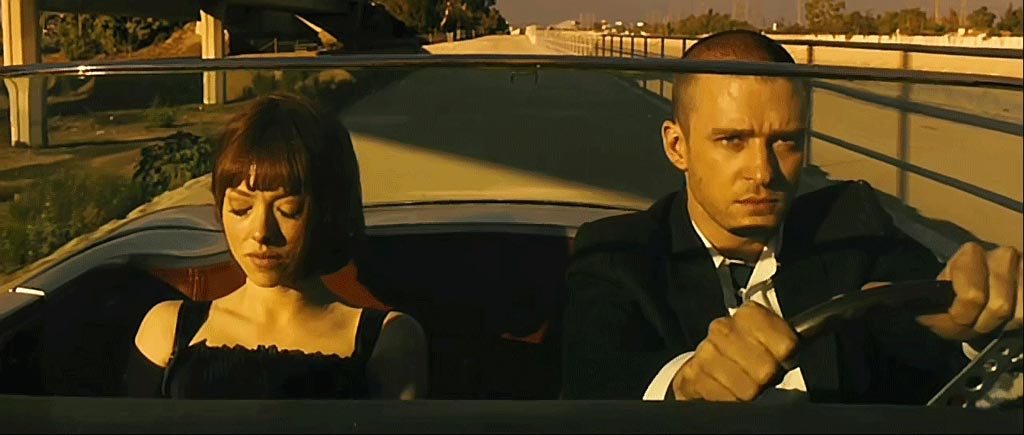
 But this is more a curse than a gift. Will is thought to have murdered the man for his time, and he is pursued by the authorities. Along the way, he abducts Sylvia Weis (played Amana Seyfried), the daughter of one of the world’s richest men, as a hostage, and they soon become a futuristic Bonnie and Clyde, with a twist of Robin Hood. They go around robbing banks and showering time on the poor.
The problem with In Time is that it’s clear little to no thought was put into it beyond the basic premise.
Many things are not explained or just don’t make any sense. There is no attempt to explain how the immortality and time-trading technology works or how it came to be, and what’s even more bothersome is that this system has obviously existed for at least a century, but In Time’s technology is no more advanced than our own. Quite the opposite, in fact — technology seems to have regressed considerably, and there is again no explanation for this.
An early scene that was probably supposed to be heartbreaking but ended up just being ridiculous involved Will’s mother rushing home to get some time from him. She didn’t have enough to pay for the bus and ultimately timed out moments before reaching Will.
But all I could think was, “Why didn’t she call him? They don’t have cellphones in the future? Not even a payphone? He could have just met her halfway.”
As it turns out, they do have payphones. Quite a lot of them, in fact, as evidenced by many scenes later in the movie. But in this movie, logic and continuity take a backseat to expediency, and the film suffers for it severely. Will’s mother not being able to find one of the many payphones, or have a cellphone, or even a bloody pager, is just one example.
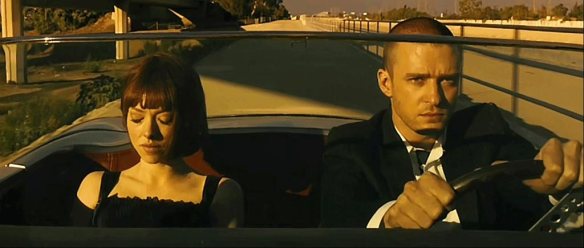 It applies to the characters, as well. Will is at first portrayed as very noble and pure-hearted — almost cartoonishly so — but then all of a sudden he’s taking hostages and robbing and causing all kinds of mayhem. He’s just an average factory worker from the ghetto, but somehow he’s able to take down cops and hardened killers almost effortlessly, even when outnumbered and outgunned. Sylvia initially hates and fears Will for kidnapping and abusing her, but in what appears to be a matter of hours, she develops the world’s fastest case of Stockholm syndrome and suddenly falls for him.
I’ll choose to ignore the disturbing and possibly sexist undertones of this and just focus on what lazy writing it is.
There’s even a Michael Bay Transformers-esque chase scene where the characters are in the middle of the city one moment and out in the middle of the countryside the next.
In writing, we talk about the difference between an idea and a story. A good idea doesn’t make a good story. It needs to be developed and fleshed out with things like character development and good plotting.
In Time never got past the idea stage. It’s not a bad story, because it’s not a story at all.
The only thing I can praise about this movie is a speech given by one of the villains near the end. He talks about how the system will never change because everyone is too in love with the idea of immortality. People will happily endure all the death and suffering for the hope of one day living forever, no matter how poor their chances actually are.
 This is exactly why the injustices of the real world perpetuate. No one cares that the rich stand atop the broken bodies of the poor, because everything thinks they’re going to be rich one day — their aspirations blind them to the fact they’re just another corpse in the pile, celebrating those who are drunk on their blood.
In this, we see a tantalizing glimpse of the brilliant film In Time could have been but steadfastly wasn’t.
Also, Justin Timberlake actually wasn’t that bad. Wouldn’t nominate him for an Oscar anytime soon, but he did a decent job. I did enjoy all the subtle mannerisms he put on to convincingly portray someone from a very impoverished background — such as the way he devours his food like a starving person.
Overall rating: 3.8/10 This movie stole two hours of my life, and I want them back.
Moon:
Moon is a film I’ve been curious about for a while, but it took me until now to get around to seeing it. I’d heard a lot of good things, and it’s the brainchild of Duncan Jones, who will be directing the Warcraft movie.
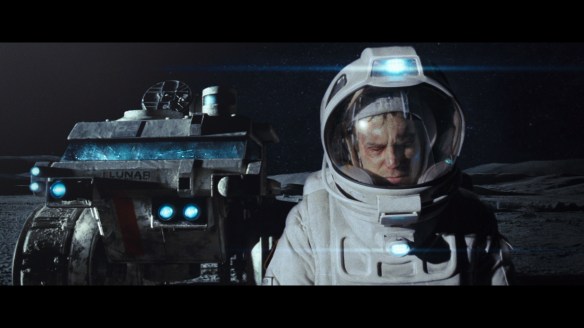 Moon didn’t live up to the hype, but it also wasn’t bad enough to give me serious concerns about the Warcraft film.
I’m afraid I’m going to have to give away pretty much the whole plot of the movie in this review. It can’t really be avoided because the one significant twist comes very early on, and I wouldn’t have anything to discuss otherwise.
The story follows Sam Bell (played by Sam Rockwell), a technician serving a three year contract as the sole human on a mining base on the moon. His only companion is a HAL 9000-esque AI called GERTY (voiced by Kevin Spacey), and after three years alone, Sam’s mind is coming apart at the seams. His increased hallucinations lead him to be severely hurt in a crash.
Sam awakens in the base’s infirmary, but he quickly realizes something fishy is going on. GERTY is determined not to let him leave the base, but he manages to escape and finds the crash site… and his unconscious self inside.
So clones. It soon becomes clear that both versions of Sam are but copies of the real Sam Bell, and that the moon base is in fact operated by an endless procession of disposable clones, the real Sam having been back on Earth for years. Most of the movie then deals with their attempts to grapple with this realization and find a way out of the predicament.
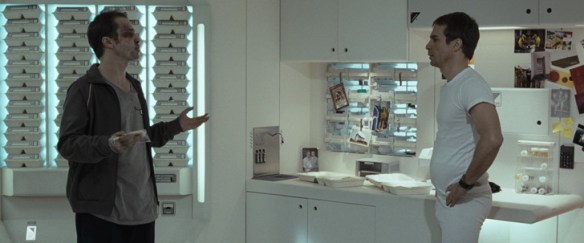 It’s an interesting premise, and Sam Rockwell delivers excellent performances as both clones. There’s a lot of emotional weight to this movie, and it has a very haunting quality further improved by an excellently ambient soundtrack.
However, the problem is there’s a lot about Moon that makes little to no sense.
For one thing, why does the moon base need a human running it at all? The vast majority of its work is done by automation, and what Sam actually does aside from ferry packages of ore is at best unclear. I find it hard to believe the enormous effort necessary to create and maintain a small army of clones is a better solution than full automation or just paying real humans.
GERTY doesn’t make much sense either. It’s clear a lot of his purpose is to keep the clone thing a secret, but with no real coercion, he reveals the full truth and then proceeds to help the clones break free. It just feels contrived.
And why go to the trouble of building a whole field of jamming towers when they could just disable communications on the main base? Just have GERTY hide the truth…
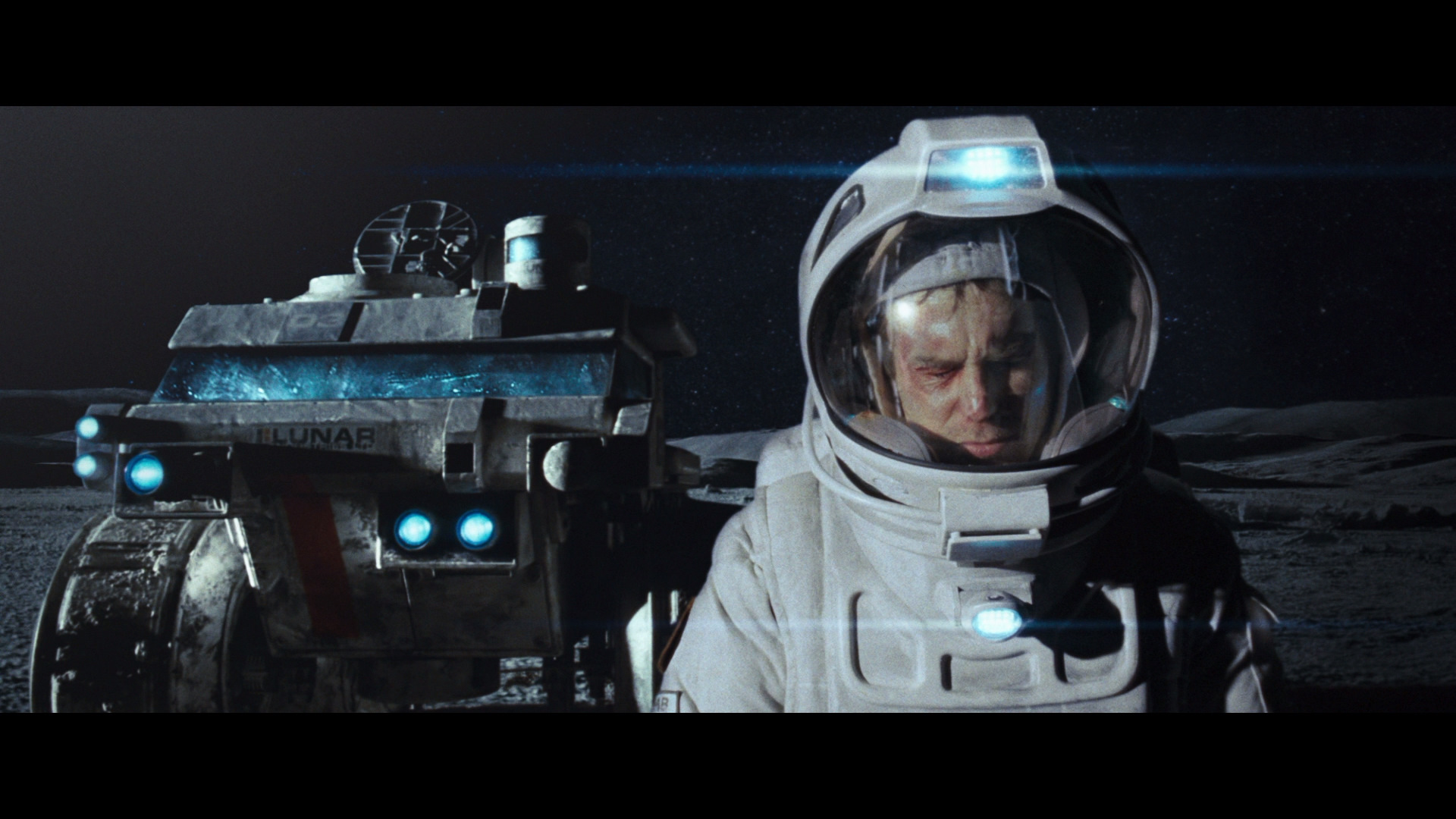
And how does the first Sam survive several days unconscious in a crashed lunar rover, especially when his health was already failing?
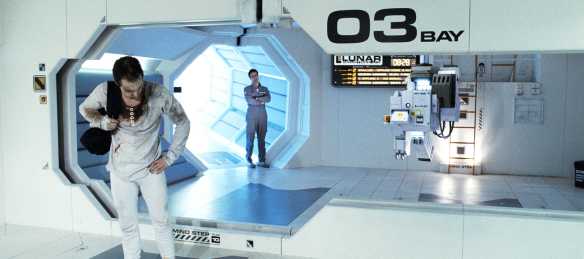 Again, there’s so much that feels contrived.
Also, I hate to be That Guy, but the special effects were very poor. So many of the exterior shots are just obviously fake. I know it was a pretty low budget movie and you can’t expect too much from it, but still…
Moon is an interesting movie, but it has a lot of flaws. I wanted to like it more than I ultimately did.
Overall rating: 6.3/10

 That movie was War of the Worlds: Goliath, and I’m glad I took a chance on it.
 The movie begins with the world about to tear itself apart, but people of good conscience — particularly the Goliath crew — refuse to let pettiness, greed, and prejudice destroy them. They choose to stand together.




 Superior Realities