
There was a time I eschewed the romance options in Bioware games because I found the concept of in-game romance a little strange. I still do to some extent, but ultimately these games are story-telling simulators, and it’s just another kind of story. I’ve done enough of them now that I thought it might be interesting to rank them against each other, from worst to best.
Some notes on the scoring: I have tried as much as possible to be objective and to separate how much I like each character from how good their romance arc is. This isn’t a ranking of my favourite romanceable characters; it’s a ranking of how well-executed I found their romance stories to be.
I’m sure my preferences still influence the ranking, but I’ve tried to minimize it.
Leliana (Dragon Age: Origins):
 Leliana is the one romance I genuinely regret pursuing. I picked her because I loved the stories she tells (and because of the sexy accent), but she’s too churchy, and when you romance her she gets so smarmy it’s just intolerable after a while.
Plus, I wound up having a kid with Morrigan anyway, so in retrospect I really should have just romanced her.
Samantha Traynor (Mass Effect III):
 I don’t like giving a poor rating to Traynor’s romance. Traynor herself is awesome, and I’ll fight anyone who says otherwise. If Bioware had designed a character to appeal specifically to me, I doubt they could have done a better job.
But if I’m being honest, the writing for her romance is terrible. There’s not much too it; mostly just minor tweaks to existing conversations, often involving awkwardly shoe-horned innuendo. The scene where you initiate the romance is so ridiculous I actually missed out on romancing her the first time through because I couldn’t believe the game actually wanted me to do that.
I still romance her on every playthrough, and to be fair, some of the scenes near the end are pretty good. But most of the time it plays out more like a cheesy porn parody of Mass Effect than anything, and turning Mass Effect into porn is supposed to be the Internet’s job.
Vector Hyllus (Star Wars: The Old Republic):
 I’m not sure why Vector’s romance leaves me cold. He’s a very unique character — a human incorporated into an alien hive mind — and a very nice guy despite all his oddness. I can’t say anything bad about him, and his romance is written well enough, even if it’s a bit by the numbers (rather surprising given his alien nature).
But for whatever reason I’ve already forgotten most of it, and it hasn’t even been that long since I did it. Maybe I just have trouble imagining Vector the soulful (if strange) romantic with my cavalier agent.
Kaidan Alenko (Mass Effect trilogy):
 The problem with Kaidan is that he’s one of those characters who feels like he was written as a romance choice first and a person second. He’s very likable… maybe a little too likable. He feels like an archetype of romantic perfection, not a real person.
It is interesting to be able to continue the relationship with him over three games, and on the whole it’s a pretty well-written romance, but I can’t quite get over how unreal a character he seems.
Dorian (Dragon Age: Inquisition):
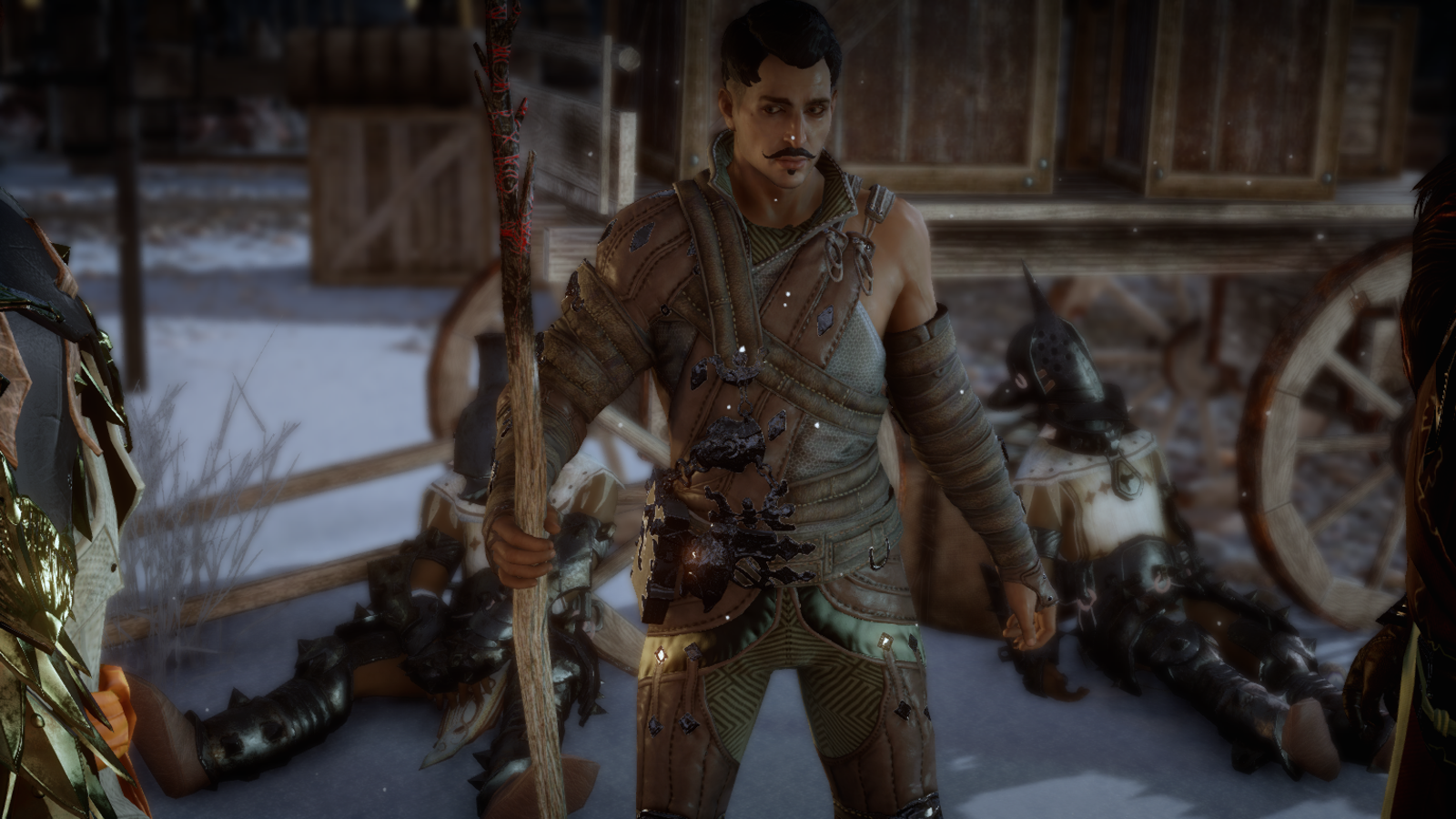 There’s nothing particularly wrong with Dorian’s romance, but not a lot about it stands out, either. It’s easy, and it’s sweet, and that’s about it. You learn a little more about what makes Dorian tick, but not much.
Dorian remains one of my favourite Inquisition characters, but romancing him isn’t really necessary. He’s just as awesome as a friend.
Vette (Star Wars: The Old Republic):
 My adoration of Vette is by now well-documented. She’s just an awesome, delightful character in every way. She’s a bit like Dorian in that her romance doesn’t seem to add a whole lot to her story, but given how incredibly sad and lonely her life has been, I do like the idea of being able to bring her some happiness.
I suppose on some level I like the idea of playing the white knight.
Lana Beniko (Star Wars: The Old Republic):
 Lana’s romance is a hard one to rate. It spans several games, and due to the nature of MMOs, it isn’t over yet. Arguably this is true of the other SW:TOR romances as well, but companions from the base game still seem largely abandoned, and those romances tended to have a clear conclusion — usually marriage.
It’s also hard to rate because Lana is such an unusual character. She’s unusual in the context of Star Wars lore — a calm and selfless Sith, practically an oxymoron — but also just an unusual character in general. She’s so enigmatic, outwardly dispassionate with only tantalizing glimpses of the fierce emotion within.
But her oddness is what makes her compelling. I keep saying I want more variety in romantic fiction; here it is. Romancing Lana is far from the fairytale type of story we’re used to — it’s more sedate, more mature. Lana has other priorities beyond being arm candy for the player character, which helps her feel more real, and the story so far has hit a great balance between illustrating her feelings toward the PC without making them the sole focus of her character.
Lana is very three-dimensional, and by extension so is her romance.
Her occasional social awkwardness can be oddly endearing, too. You can ask her to fight a hundred Knights of Zakuul single-handedly and she won’t even blink, but try to compliment her or kiss her and she’ll get so adorably flustered.
My one complaint about her romance is can feel a bit rushed, a bit forced, at first — a common sin of these things. You’ll have known her for all of about fifteen minutes before she starts going on about your special connection.
Sera (Dragon Age: Inquisition):
 Sera’s romance is many things: turbulent, challenging, frustrating, inconsistent. But it’s not boring.
Just initiating the romance with Sera was an uphill battle — though to be fair I made it harder on myself by being a Dalish mage — and even once I did lock in her romance there was still plenty of challenge. Sera is a strange, volatile person. She’s not easy to get along with, or even understand. Between her rambling speech pattern and thick accent, you practically need a translator sometimes.
There’s also one particular scene in her romance that really pissed me off, just for its poor design. I had to basically pretend that scene never happened for the sake of my sanity. I think the developers realize they screwed up there, though — Trespasser also seems to pretend it never happened.
However, there’s still something immensely gratifying about Sera’s romance if you can dodge all the landmines and make it through. Sera seems a simple character at first, but in actuality she’s spectacularly complex. Once you finally understand her, all her seemingly crazy behaviour starts to make sense.
She’s also an incredibly sweet and loving character (even if she can have odd ways of showing it). For all its frustrations, Sera’s romance probably has more “d’aww” moments than any other I’ve done.
Nadia Grell (Star Wars: The Old Republic):
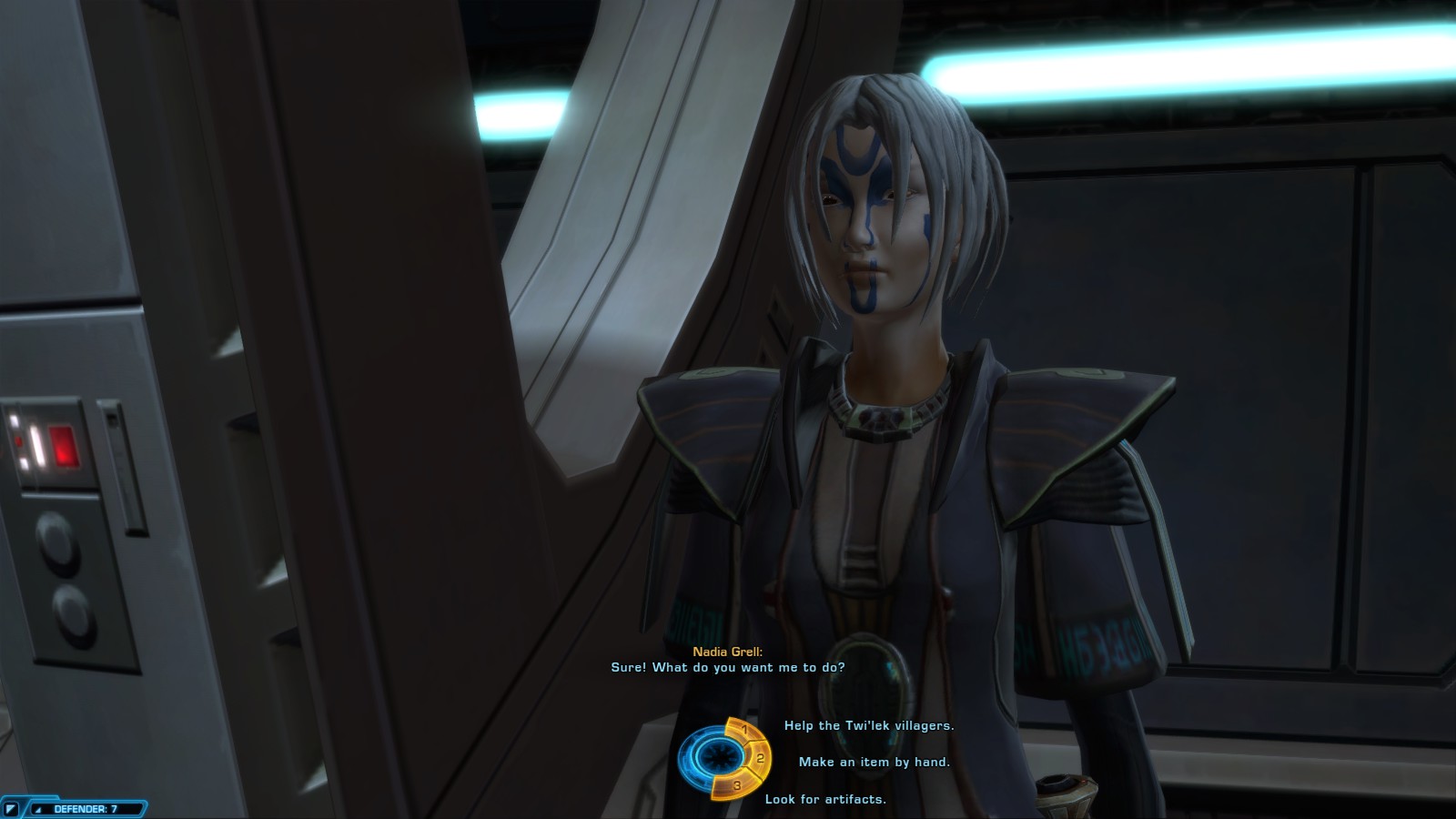 Nadia is a character I really enjoy. I know she can rub some people the wrong way, and I understand why — she’s very over-eager, and she does have a certain air of “Senpai noticed me!” that can be a bit much at times — but I can’t help but find her enthusiasm infectious.
I also appreciate that she’s an idealist, but with a hard edge when the situation calls for it. She’s got a gentle heart, but she’s no push-over.
Yet that’s not why I’m giving her romance such high marks. The thing I find interesting about Nadia’s romance is that it seems more like she’s pursuing the player than the other way around. Normally in these games NPCs don’t display any interest at all until you’ve made a concerted effort to win them over. It made Nadia feel much more like a real person with agency all her own.
Plus it’s a pretty well-written romance all around. It’s got ups and downs and interesting choices to make, and you meet her pretty early in the game, so it feels natural to see the bond slowly grow between her and the player’s Jedi.
Merrill (Dragon Age II):
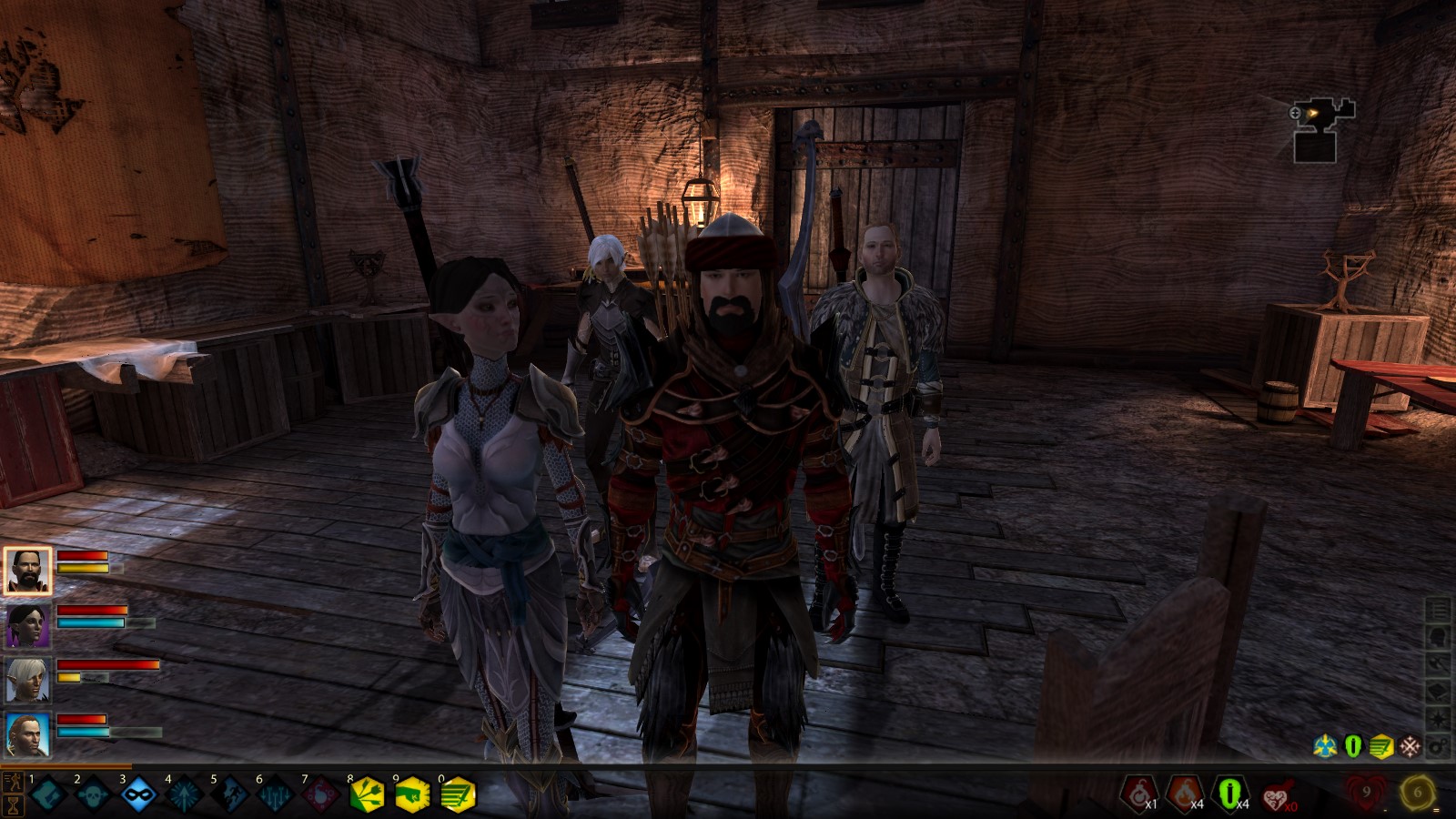 Merrill is a bit like Traynor in that she’s a character who could easily have been designed to appeal specifically to my tastes. A selfless, adorkable Elven blood mage with awesome tattoos and a charming accent? Sign me up.
Unlike Traynor, though, her romance arc is very well-executed.
There’s a lot to like about Merrill’s romance. I appreciate that it’s a slow burn. You can start flirting with her almost immediately, but it takes a while for an actual relationship to form. That makes it feel a bit more natural than these things tend to.
I haven’t played DA2 without romancing Merrill, so I’m not sure how much a difference it makes, but certainly it seemed to have a significant impact on conversations with her. Even her party banter with other characters changed. Also, her moving into Hawke’s house was a nice touch.
As with Vette, Merrill’s life is so sad that it feels good to bring her some happiness. She’s such a nice person, and yet she ends up hated and distrusted by almost everyone. At least if you romance her, she has someone who stands by her. In fact I seem to recall some party banter where she says her relationship with Hawke is just about the only thing keeping her together.
And there’s just nothing to complain about in Merrill’s romance. There’s no blatant poor writing or obnoxious game design. It just works.
 For all their flaws, though, each of these developers brings something special to the world of gaming, something exquisite that keeps me coming back for more. I thought it would be interesting to look at these companies and explain why I am so loyal to them, despite everything.
 Have you ever seen Chris Metzen talk about the games he’s worked on? He’s the living embodiment of childlike joy and enthusiasm. He has so much passion for Blizzard’s games it’s like he could spontaneously combust at any moment.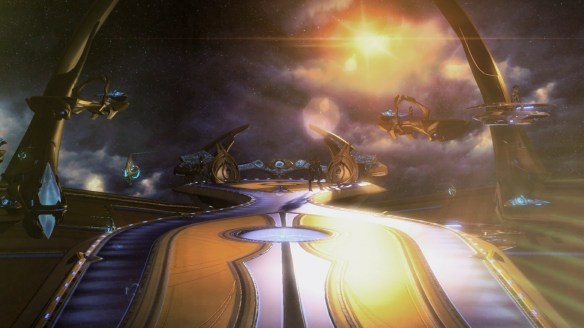
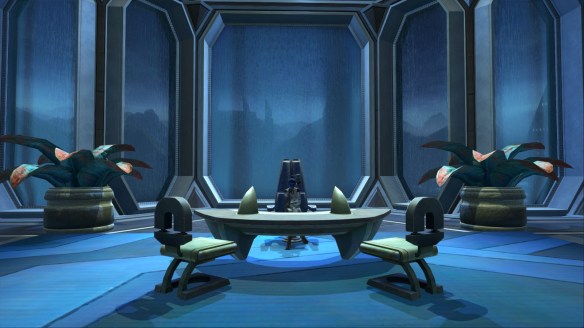 That leaves story-telling as Bioware’s strength, but even that isn’t entirely true. The main storylines in Bioware games are, at best, hit and miss. The only ones that really impressed me on that front are Dragon Age 2 and Mass Effect 3 (yeah, I’m a freak). Origins’ story was just weak, Inquisition and ME2 had potential but became entirely too bogged down with irrelevant side missions, and ME1’s story was okay but not exactly mind-blowing.
 It appeals to me as a writer, too. All the hard work of building a world and characters is done for me, and I can go nuts telling the story I want to.
 But even there, the depth of hatred I have for these characters speaks to their quality and realness.
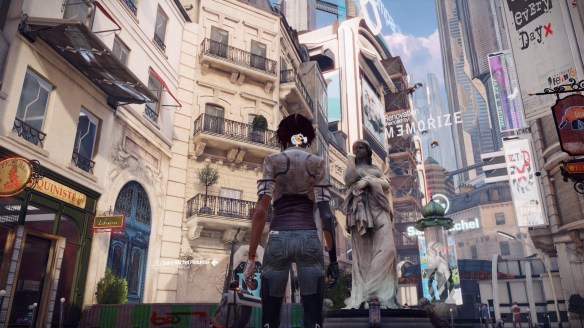 I’m already kind of excited about Vampyr, and I don’t even like vampire fiction.
