
I was sure I had posted about the Halo TV series when the first season aired, but I can’t find the post now, so presumably it was yet another thing I’ve let fall through the cracks recently.
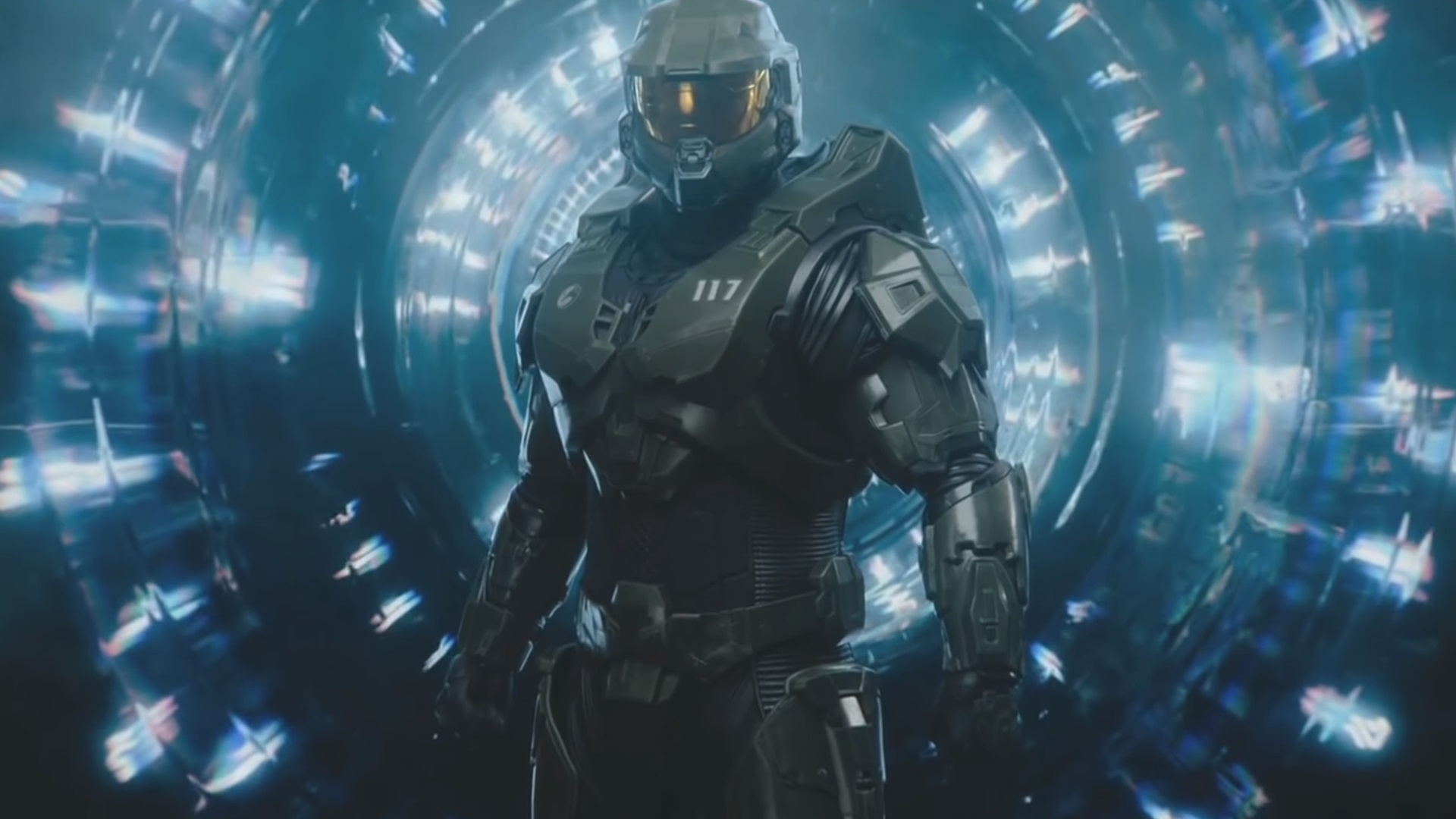 The short version is I was a big fan. I haven’t technically played the games, but I did watch through them on YouTube for the stories. I found the plot of the original trilogy largely enjoyable, in no small part due to the massive influence it clearly draws from StarCraft, but I don’t view it as an unimpeachable masterpiece with no room for improvement.
The first season of the TV series felt to me like it took the source material and elevated it, adding a level of depth that a first person shooter can’t deliver. It was a great deconstruction of the super-soldier trope, illustrating in exquisite detail just what a horrible idea turning humans into weapons actually is.
After an interminable wait of several years, the bite-sized eight episode second season has finally arrived (modern television is a miserable hellscape). Between seasons, they completely changed the showrunning team; I was concerned this would make the show feel different, and good lord did it ever.
This is scarcely recognizable as the same series. This is especially true in the early part of the season, where they go out of their way to avoid addressing season one’s cliffhanger or continue its plot threads for several episodes before finally circling back around to continuing the original story. What an utterly bizarre way to do things.
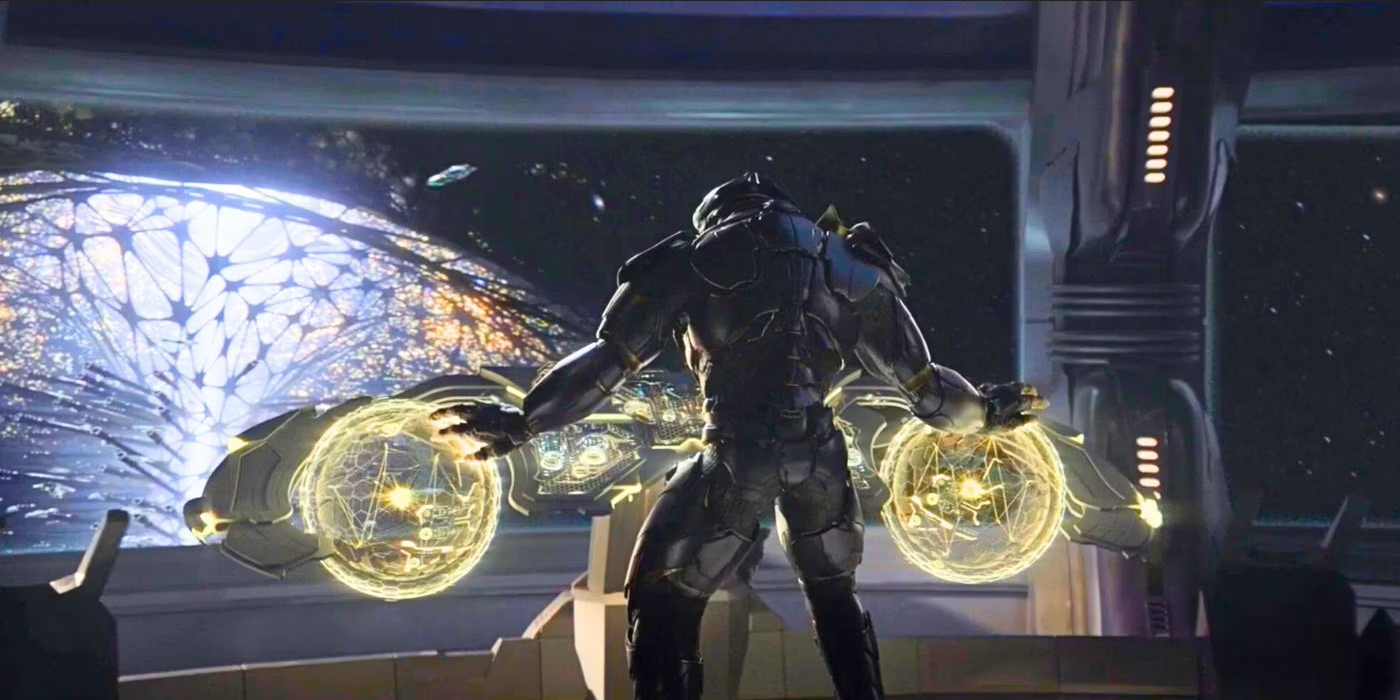 Even once things do meander back to the original plot, it never quite feels the same. Many cast members have wildly different characterizations. Even visually, the show feels radically different. Once a very bright and colourful show, the pallet has become dominated by grey and gloom.
The style of writing is different, too. Season one felt shockingly smart considering the source material. I wouldn’t say season two is dumb, but it does hew a lot closer to standard media tropes and generally feels more safe and predictable.
It’s all even more confusing because if you were going to reset the direction of the show, you’d think it would be to bring it more in line with the canon of the games, as season one deviated from it a lot. But that’s largely not the case. Things do start to trend a bit more towards the events of the games, particularly near the end, but it’s still diverging pretty wildly from original canon.
I am, as I said, a big fan of season one, but a criticism I can agree with it is that it had far too little focus on the Halo itself, and on Cortana. Some dudebro gamers may disagree with me on this, but I’ll die on the hill that Cortana is the real main character of this franchise. Master Chief is her sidekick.
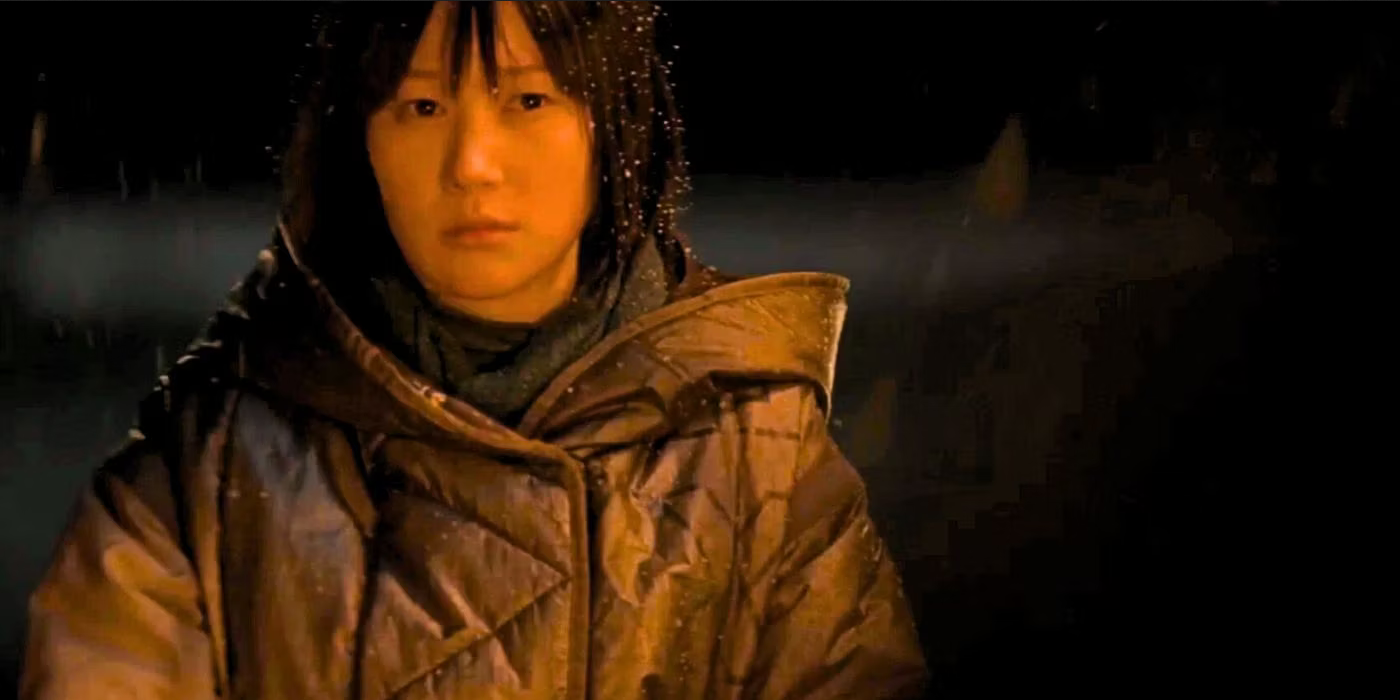 But bafflingly these are mistakes season two continues to make. The Halo isn’t even mentioned for the first several episodes, and Cortana is barely there.
It’s not a bad season, to be clear. I’m griping a lot, but it’s still a largely enjoyable action series. It’s mostly the comparison to season one that makes it suffer. Season two isn’t bad, but season one was better, and the jarringly abrupt transition between the two styles is so hard to overcome.
Mind you, it does seem like most of the fanbase prefers this season, so once again I appear to be the lone voice in the wilderness on this. One day it would be really nice to have a normal opinion on something…
I’m invested enough in the show that I’d like to see another season (which given current trends will probably be three episodes long and take five years to make), but I do really wish we could have seen the original showrunners deliver on their vision.


