Mass Effect: Andromeda Second Playthrough Complete

I think it says something that even after spending almost 100 hours on my first playthrough of Mass Effect: Andromeda, I was still left chomping at the bit for more.
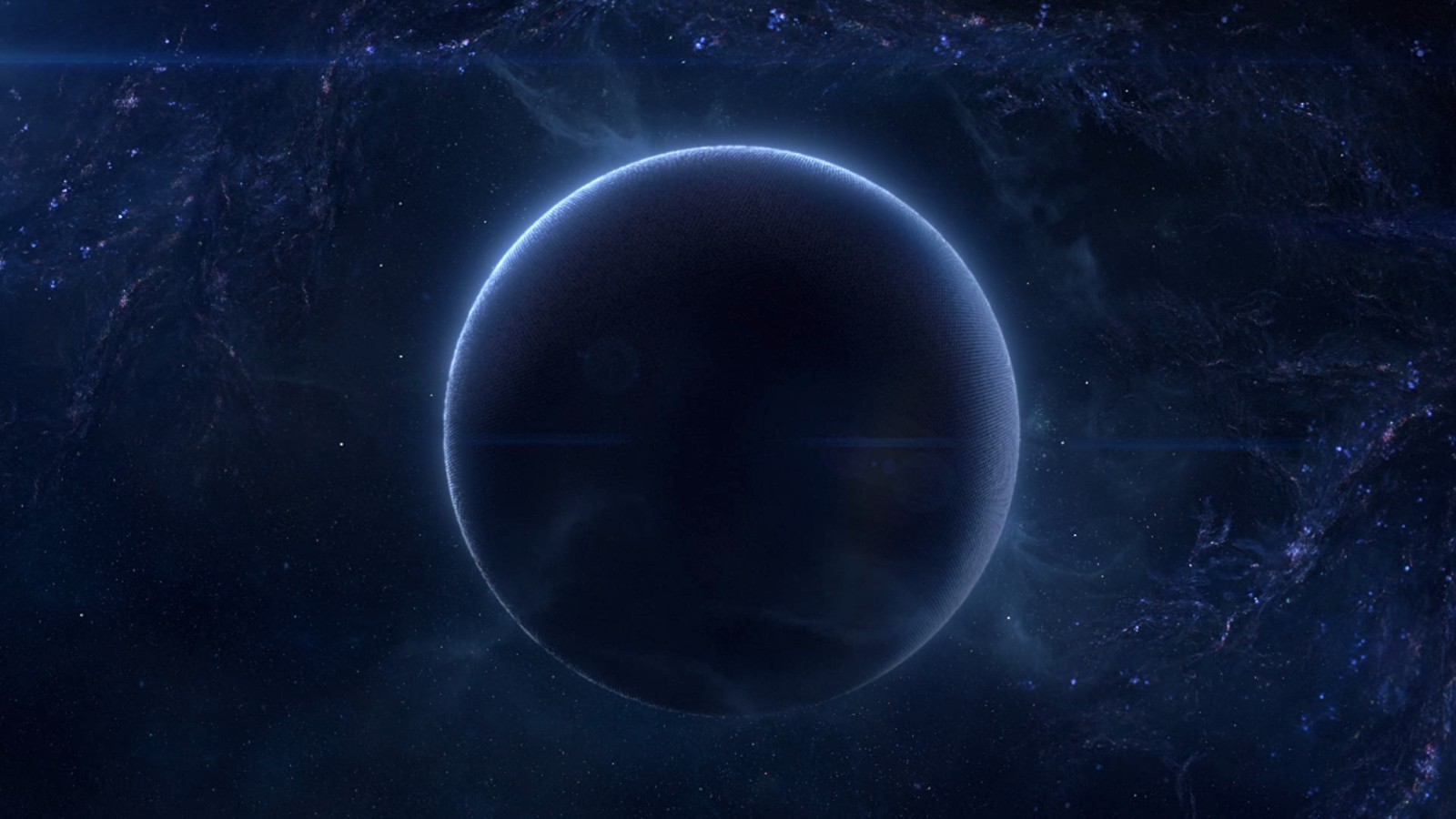
Meridian in Mass Effect: AndromedaThus, while it took me months and a couple excellent DLCs to convince to play Inquisition a second time, I started on my second playthrough of Andromeda quite quickly.

At times I regretted doing it so soon, as the game was still quite fresh in my mind. It did feel like a bit of a grind at times.

But more often than not I continued to enjoy myself. Andromeda is a truly special game the likes of which we are rarely privileged to see. I still have trouble fully articulating in rational terms exactly what I love so much about it — most likely it’s a confluence of factors — but regardless it’s a game that clicks for me in a way few others do.

I made it easier on myself by skipping most optional content and focusing almost entirely on the essentials: main story, crew missions, finding Arks, and of course Ryder Family Secrets. It only took me about half as long as the original playthrough.

I tried to make a lot of different choices, which allowed me to examine just how much your choices actually matter in Andromeda. It seems to depend on the choice, sometimes unpredictably so.
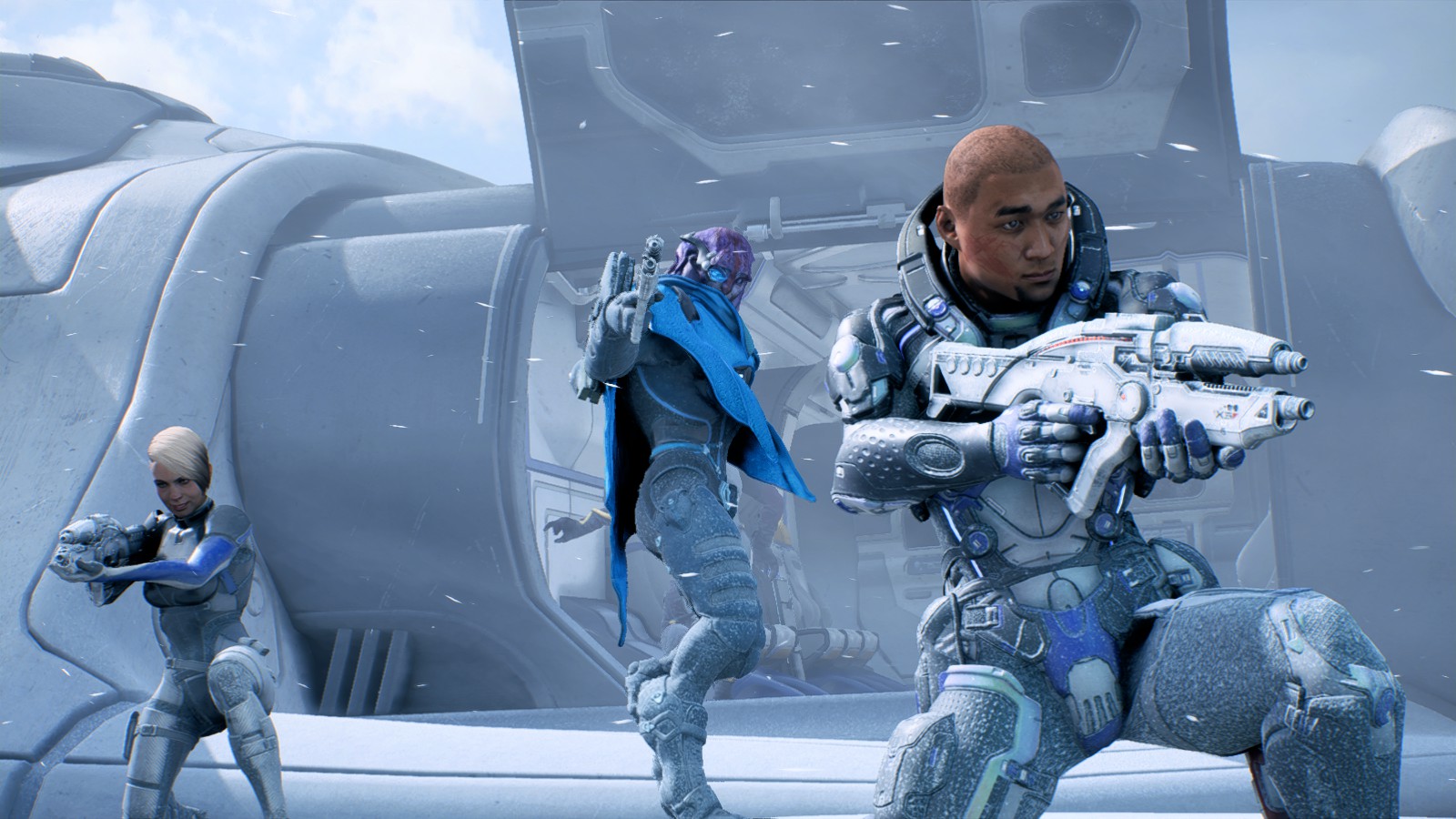
My second Ryder fighting alongside Cora and Jaal in Mass Effect: AndromedaIt does seem to be well and truly impossible to permanently sour your relationship with any particular character. Having been buddies with Jaal the first time, I resolved to do everything in my power to piss him off this time, but while he spent a lot of the game giving me the silent treatment, he nonetheless ended the game by telling me I felt like family. In this context it seemed bizarrely out of the blue.

On the other hand, I did somehow get a totally new (to me) scene with Drack at the end of the game this time. I’m guessing this is because I made more choices he liked?

Also, be prepared for a surprising amount of heartbreak if you don’t convince Avitus to become a Pathfinder.

Overall, I’d say choices in Andromeda are more meaningful than they seemed to be the first time I played, but there’s still definitely room for improvement on that front.

On the subject of choices, I opted to romance Cora this time around. It’s much less of a disappointment than Suvi’s romance, though I have seen better. It’s a lot of flirting and very little actual relationship stuff, which is a bit strange, but on the plus side it does make Cora feel a lot more three-dimensional by allowing her to show a softer side, and I think that’s the best thing an in-game romance arc can accomplish.

FeelingsI was going to complain that Scott feels rather flat as a character, but then I remembered I felt the same about Sara. I still think I’d prefer her a little, if only because she takes up a lot less screen space. Scott is surprisingly huge, and it was quite a jarring adjustment after playing exclusively female characters in my Mass Effect career to date.

One other thing I want to address is the new game plus mode in Andromeda. It’s fantastic.

The only thing of any significance that doesn’t carry over is AVP, and that hardly makes any difference anyhow. Your inventory, your skill choices, your credits, your strike teams, your Nomad upgrades, your research data… it’s all carried over.

You can continue with the same character, design an entirely new Ryder, or swap to the opposite Ryder twin while keeping the same custom appearances of both. The last is what I did this time, meaning my Sara from the original playthrough was an NPC this time. That felt a little strange at times.

This playthrough saw me hit the gear cap of level eighty. I farmed up a trove of crafting materials and proceeded to craft myself a final set of optimized gear.

Not only did I make all the items I need for my current build, but I constructed weapons and armour to support every build I can ever see myself attempting. On any subsequent playthroughs — and oh, there will be more — I won’t have to bother with crafting, or picking up mineral nodes, or scanning every little thing, or mining with the Nomad, or hunting down those stupid hidden caches, or even looting enemy corpses. I never have to worry about items or resources again. I can simply focus on the story.

Scott Ryder and Vetra Nyx in Mass Effect: AndromedaI am free from the tyranny of loot.

My only complaint is that it took one and a half playthroughs to get to this point. This is how the game should have been from the start.
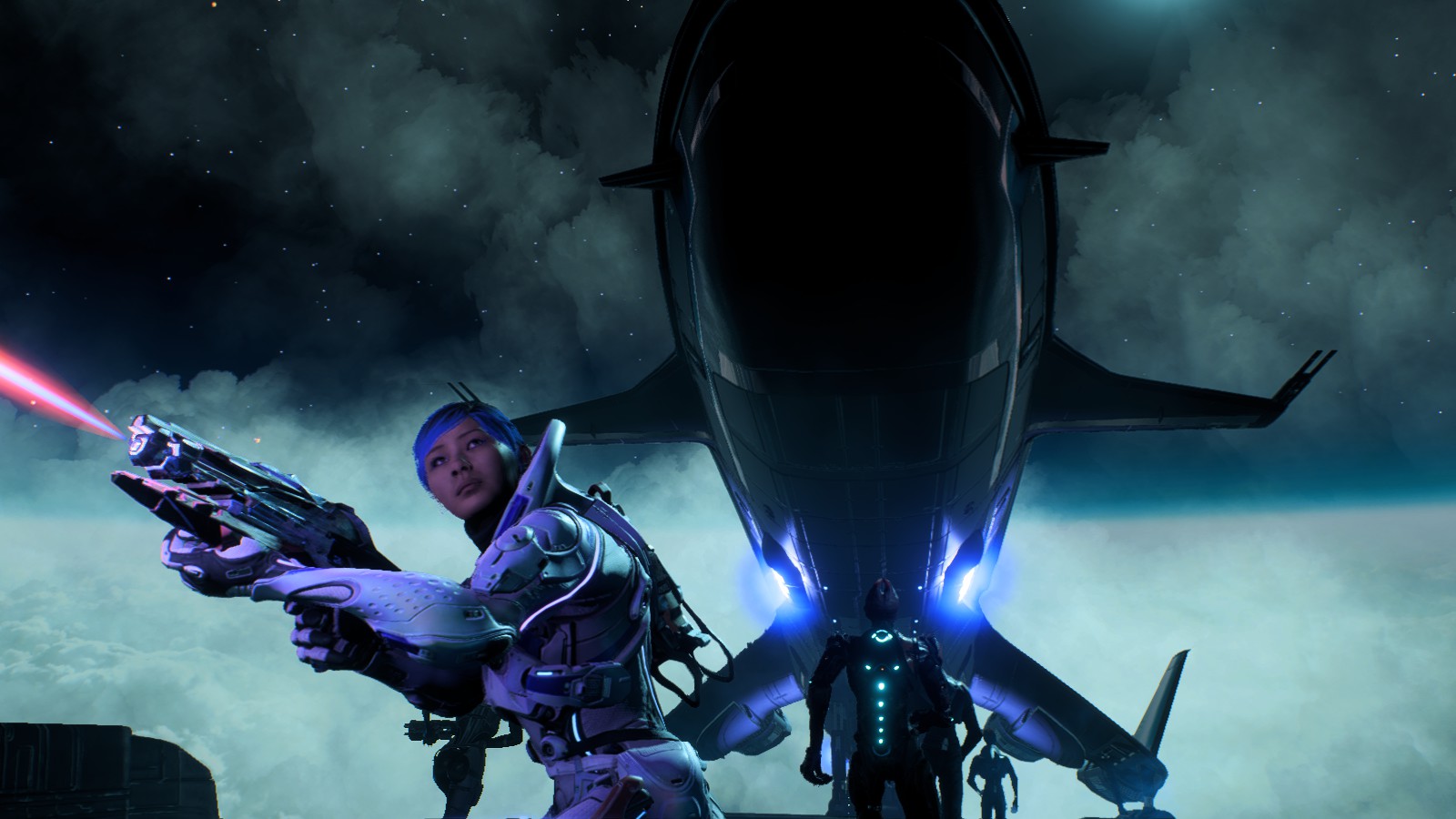
Why I Prefer Mass Effect to Dragon Age

Of Bioware’s two main franchises, you would think Dragon Age would be my favourite. While I enjoy both genres, I prefer fantasy to sci-fi by a significant margin. The very fact that Dragon Age has Elves should be the trump card.

Rescuing some Salarians in Mass Effect: AndromedaAnd yet this is not the case. Quite the opposite. I strongly prefer Mass Effect to Dragon Age. It’s a franchise I’m genuinely passionate about, whereas I didn’t start to gain any unvarnished enthusiasm for Dragon Age until Inquisition’s DLC.

So why is this? Why do I enjoy Mass Effect so much more than Dragon Age despite my strong preference for fantasy? I can think of a few reasons.

Continuity

I think one of the biggest factors is simply the continuity of the series. The first three Mass Effect games were far from perfect, but the fact that they formed a continuous narrative allowed them to become far more than the sum of their parts.

Take Garrus. He is, when you get down to it, really not that interesting of a character. But after three games of fighting alongside him, you can’t help but form a special bond with him. By the end he feels like family, and it becomes easy to forget how cliched he is.

There’s also something very special and unique about being able to develop Shepard over such a long period of time. It makes them feel so much deeper and more real than most video game protagonists, despite ultimately being a faceless cypher for the player.

Anders unleashes Justice in Dragon Age IIDragon Age, on the other hand, has jumped around between different plots, settings, and protagonists quite schizophrenically. Some elements may carry over between games, but there’s not the same sense of continuity. By the time you get really invested in a set of characters, it’s time to move on again.

As an aside, I would like to reiterate how hard I’m going to nerd rage if we’re not able to play as the inquisitor again in Dragon Age IV.

Combat

I’ve spent a lot of time complaining about Bioware’s combat over the years, but even so, Mass Effect is the clear winner in that arena.

The combat of early Mass Effect games is a little shallow and extremely repetitive, but fundamentally, it works. The mechanics are sound, and the moment to moment gameplay feels good enough.

By comparison, early Dragon Age combat makes me want to claw my own eyes out. Cooldowns are so long and characters so resource-starved that you spend half your time just watching your party auto-attack. It’s excruciating.

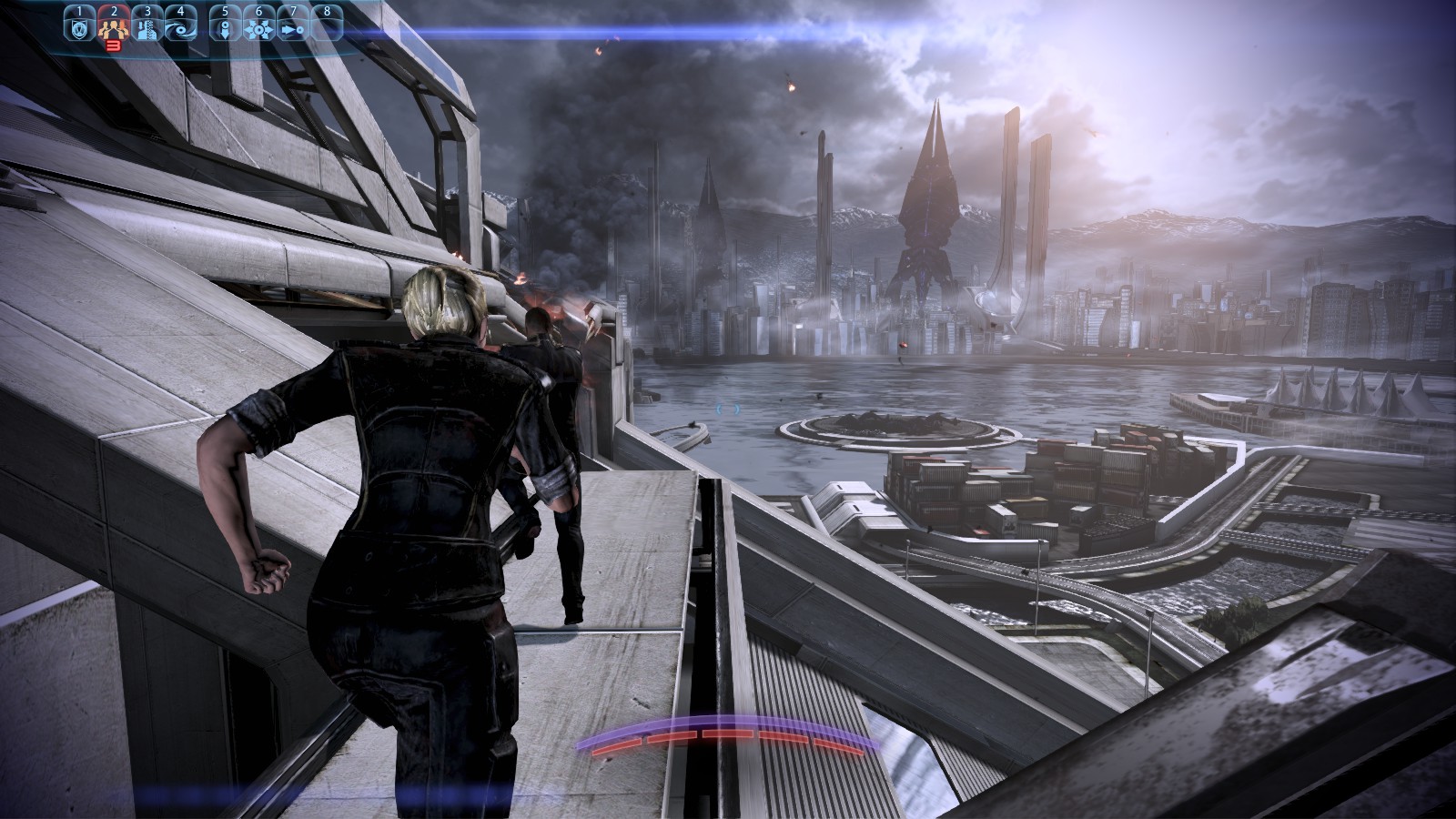
The Reapers descend on Earth in Mass Effect 3Both franchises saw the quality of their combat improve immensely with their most recent releases, but while I enjoyed both, I’d still give the crown to Mass Effect. Andromeda’s combat was more visceral, more satisfying.

Inquisition had better boss fights, though, so I’ll give it that.

The ship

This is a smaller thing, but while playing Andromeda, I was reminded how much I enjoy having the ship as a home base to come back to. It’s just comforting to have a bit of the game world to call your own, to kick back and relax in.

The continuity of the original trilogy obviously helped the Normandy feel like home, but even after one game, I have grown very attached to the Tempest, as well.

Dragon Age games have home bases that are analogous to the ship, but none of them quite click. Origins’ camp is too dull and generic. The Hawke estate wasn’t used enough. Skyhold was too big, cold, and empty.

Thedas is an ugly place

And I don’t mean in terms of how it looks, although it’s kind of ugly that way too.

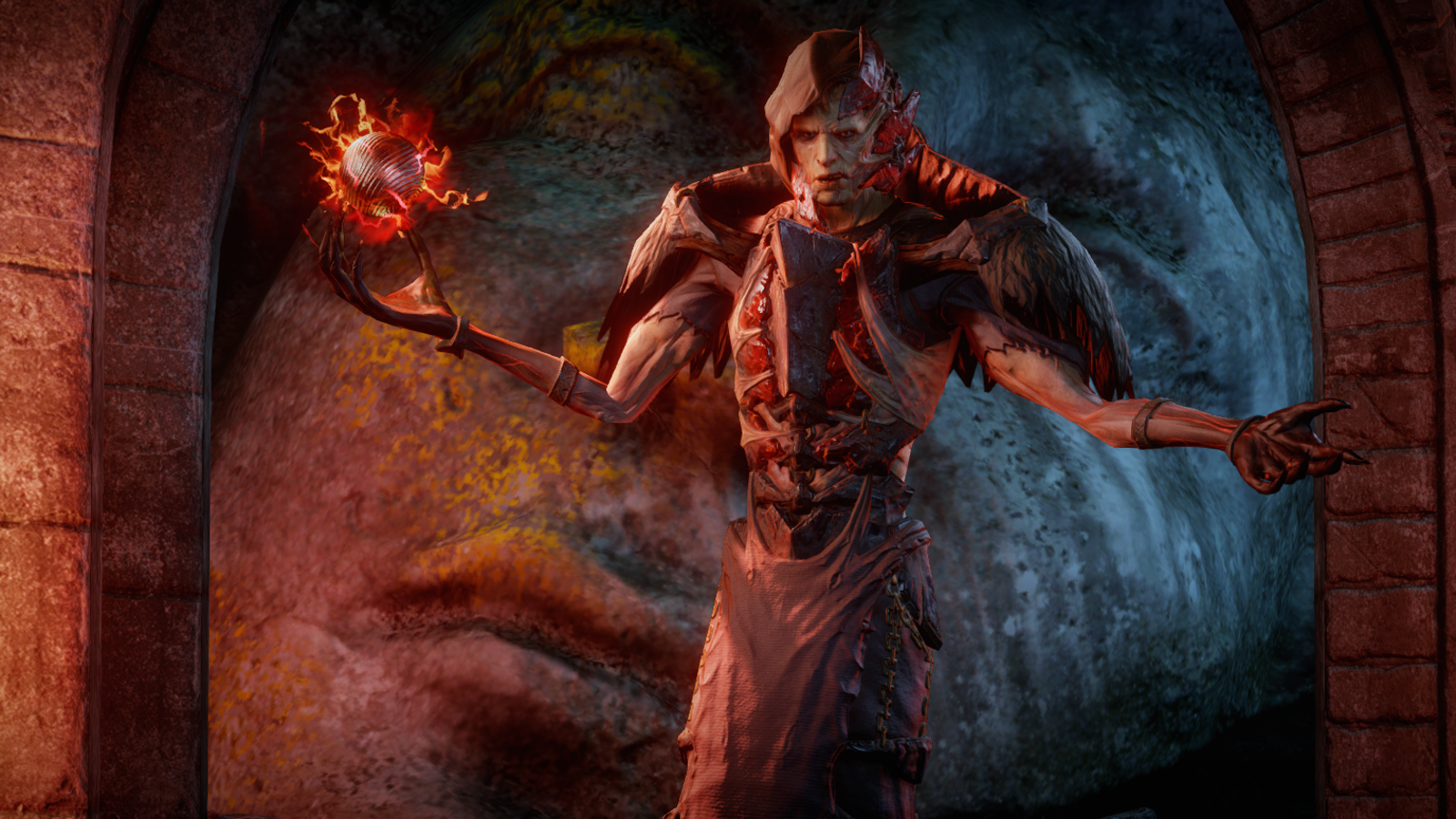
Corypheus in Dragon Age: InquisitionWhat I mean is that Thedas is not a place where I would ever want to live. It’s a monstrously corrupt society where injustice and cruelty are everyday events. I suppose the defense would be that this is realistic, and maybe it is, but while I can enjoy a dark story, I’m not particularly enamored of wallowing in awfulness the way the Dragon Age writers seem to delight in doing.

In a strange sort of way it fosters my engagement with the franchise, because I hate Thedas so much I always want to change it for the better, but it still ends up leaving a bad taste in my mouth, and I leave every game wishing I could have done more.

I prefer Mass Effect’s setting, which has enough bad people and societal flaws to create drama but doesn’t make me hate every culture and institution until I want to cleanse all I see with holy fire.

New game plus

One thing I love about the modern era of gaming is the concept of new game plus. Not having to start over from scratch makes replaying a title a much more appealing prospect.

Mass Effect has always made very good use of the idea, and it’s one of the driving factors behind why I’ve replayed the original trilogy so many times.

Commander Shepard confronts the Illusive man in Mass Effect 3Dragon Age, for reasons that I can’t begin to understand, has never offered new game plus. That coupled with the poor combat has made replaying Origins or DA2 to the extent I have Mass Effect games fairly undesirable.

Inquisition has the Golden Nug, at least, but it’s still a pretty poor substitute for a real new game plus mode. I can only hope such will finally be included in the next game.

The opposite of what you’d expect

Lately I’ve been wondering if I’m not underwhelmed by Dragon Age despite the fact it’s fantasy so much as because it’s fantasy.

Let me explain.

Bioware is great at character building, but fairly crumby at world building. Both their main franchises feature very generic and frankly dull settings comprised mainly of the most stock standards archetypes imaginable. There’s very little that’s creative about either one.

But I have much more experience with the fantasy genre than with sci-fi, so Dragon Age’s bundle of cliches feels more tired to me than Mass Effect’s.

Everything about Thedas from its art design to its cultures seems culled from a handbook of overused fantasy archetypes. This is most true of the Darkspawn, who are such pathetically generic fantasy villains I just go cross-eyed whenever they show up.

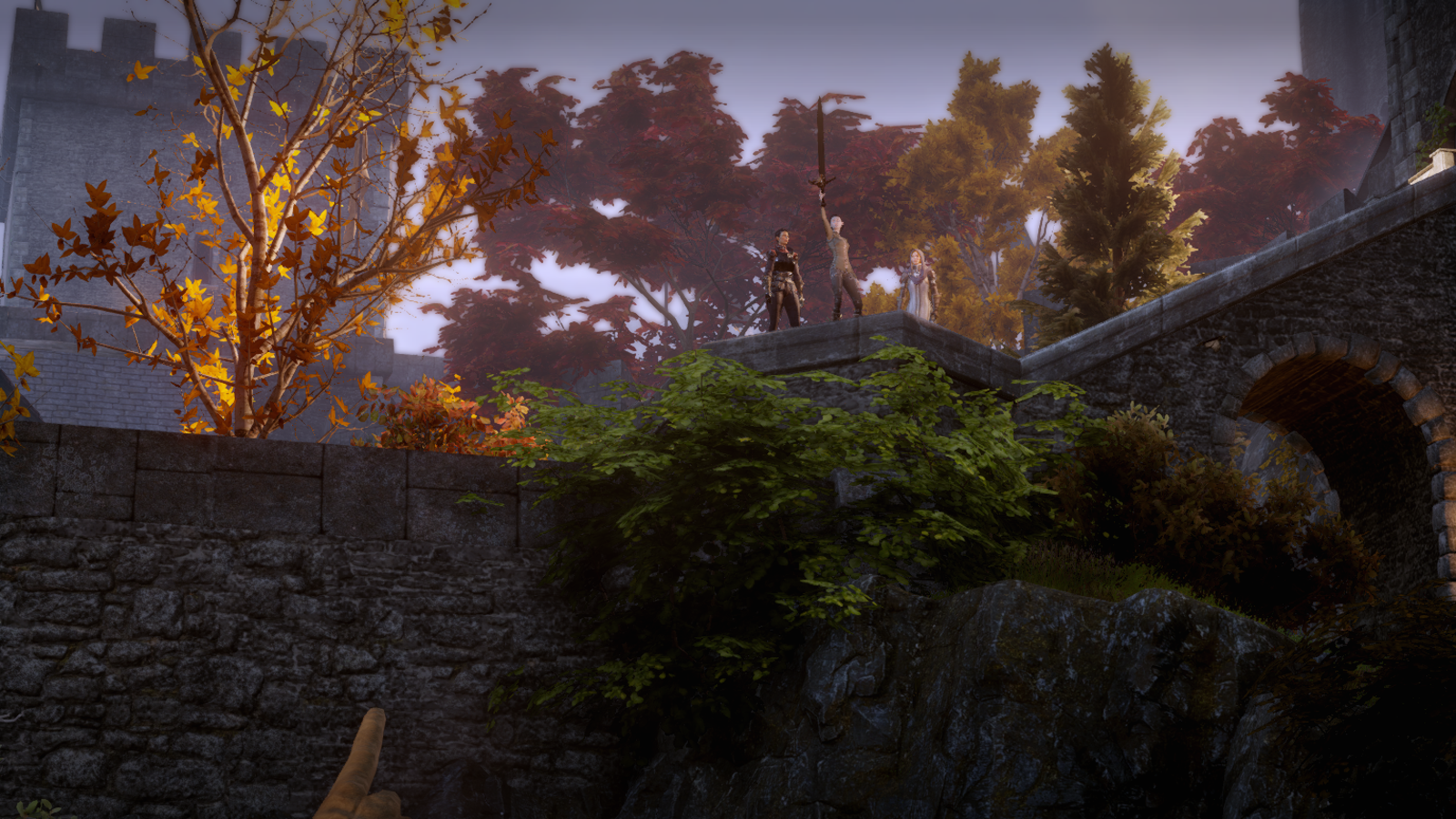
The inquisitor is crowned in Dragon Age: InquisitionIt even applies to class design. Whereas Mass Effect offers a pretty healthy selection of different class archetypes, some of them generic and some more unusual, Dragon Age is limited to just warrior, rogue, and mage, which are pretty much the three classes someone who’s never played a fantasy RPG in their life could name if you put a gun to their head.

Even the name! “Dragon Age” is such a predictably generic fantasy title that there is at least one other fantasy franchise that I know of named Dragon Age, which is going to make my blog tags terribly confused if James Maxey continues that series like he’s been hinting he will.

Even on the rare occasions Dragon Age does buck trends — like by making the Elves an oppressed under class — it does so in such a simplistic, direct reversal sort of way that it somehow feels even more lazy than when they are directly aping the standard archetypes.

A large part of the reason I’m so keen on Descent and Trespasser is that they’re the first time it’s felt like Dragon Age has had any real colour, any real imagination. I won’t pretend the additions made by those DLCs are wildly original, but at least they don’t feel like they’ve come off an assembly line of fantasy cliches, either. They begin to add some personality to the history of Thedas, and now for the first time I want to learn more.

* * *

That’s not to just completely dump all over Dragon Age. Obviously I do enjoy those games as well, or I wouldn’t play them. I don’t have much good to say about Origins, but DA2 had a great story, if not great gameplay, and despite flaws Inquisition mostly won me over (again, helped by the strength of its DLCs).

Sara Ryder and Cora Harper in Mass Effect: AndromedaI can also think of some things I prefer about Dragon Age. As mentioned above, those games have proper boss fights, something Mass Effect never seems to have gotten the hang of, and Inquisition’s were actually pretty good.

I would also say that on average Dragon Age tends to have more colourful and perhaps deeper characters, though clearly both franchises have lots of great NPCs, and they seem to be a bit better at romance, as well.

Along that line, I think companion approval/disapproval is a vastly superior way to track the consequences of your actions than the rigidity of paragon/renegade or Andromeda’s system of just not really having consequences at all.

But taken all in all, Mass Effect still feels like the clearly superior choice to me.